Skip to content
Understanding Hardscaping: Enhancing Your Property’s Outdoor Appeal and Functionality
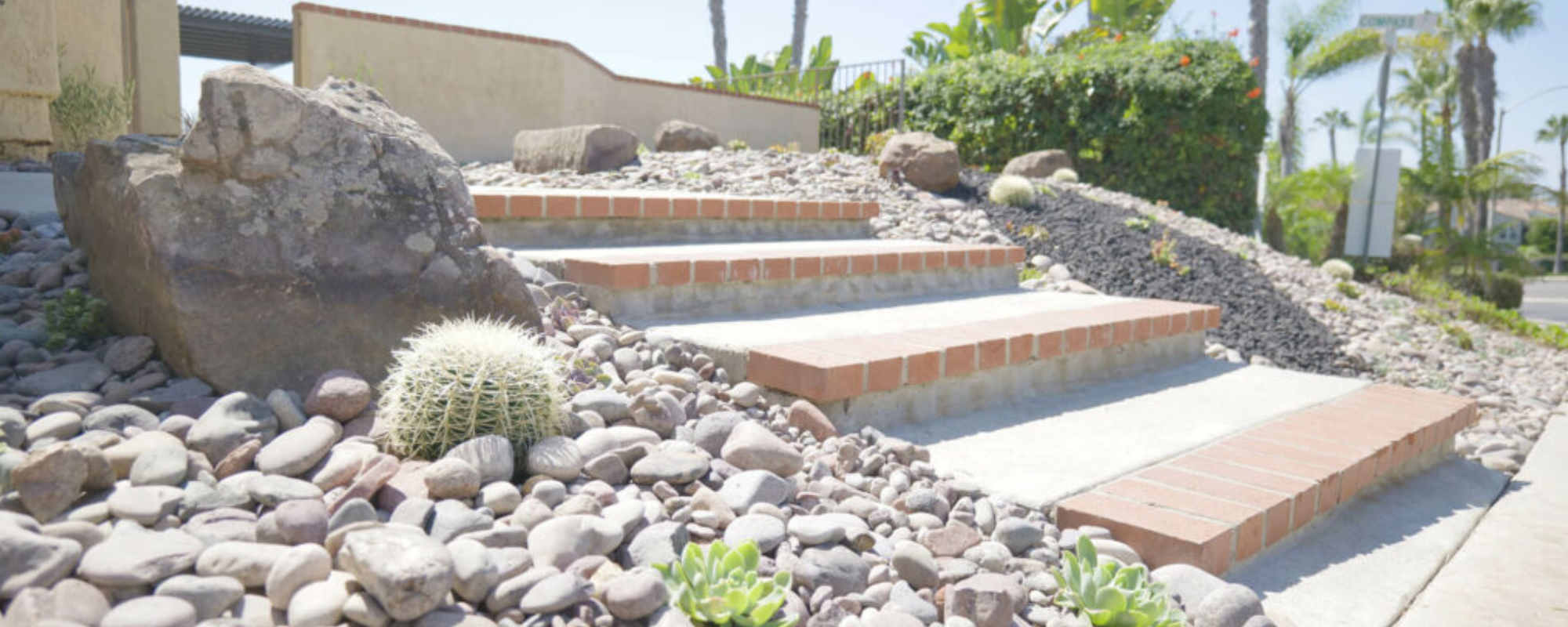
Hardscaping refers to the non-living elements of your property’s outdoor design. While landscaping often focuses on plants, trees, and grass, hardscaping deals with the built structures that define and enhance outdoor spaces. These elements are crucial for both the aesthetic appeal and the practical usability of your yard or commercial property. From creating functional patios for entertaining to installing durable driveways and walkways, professional hardscaping services transform a property’s exterior.
Key points
- Hardscaping involves the construction of non-living elements in outdoor spaces.
- Key components include patios, walkways, driveways, and retaining walls.
- Concrete is a versatile and durable material commonly used in hardscaping.
- Effective hardscaping complements landscaping to create cohesive outdoor areas.
- Professional services ensure quality, durability, and aesthetic appeal in hardscaping projects.
What Exactly is Hardscaping?
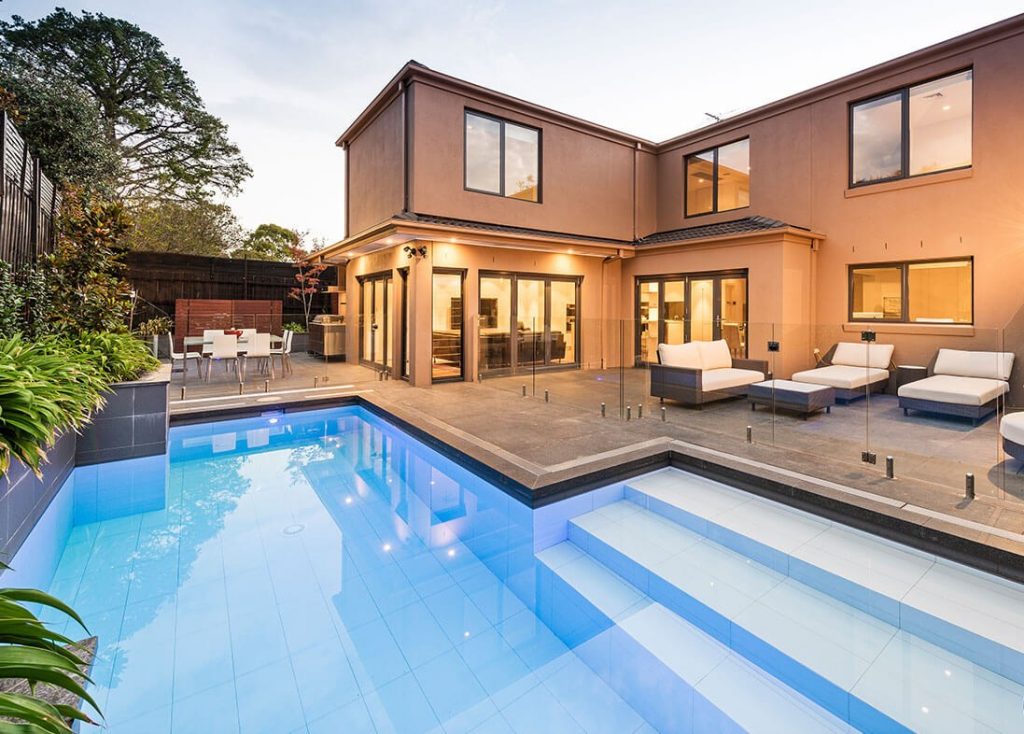
Hardscaping encompasses all the man-made, inanimate features within an outdoor environment. Think of it as the structural framework that supports and complements the natural elements of landscaping. This includes a wide range of structures, such as patios, decks, walkways, retaining walls, driveways, fire pits, outdoor kitchens, and even water features like ponds or fountains. The primary goal of hardscaping is to create functional, attractive, and durable outdoor living and working areas. It provides pathways, defines boundaries, offers surfaces for recreation and relaxation, and manages changes in elevation. Unlike softscaping, which involves living elements like plants and grass and requires ongoing maintenance, hardscaping elements are typically permanent fixtures designed for longevity and low upkeep.
Key Components of Hardscaping Projects
A variety of materials and structures fall under the umbrella of hardscaping. Patios and walkways are perhaps the most common, offering accessible and attractive surfaces for foot traffic and outdoor seating. These can be constructed from concrete, natural stone, brick, or pavers, each offering different aesthetic qualities and durability. Driveways are another significant hardscaping feature, providing essential access to properties. Materials like asphalt, concrete, and interlocking pavers are frequently used for their strength and ability to withstand vehicle weight. Retaining walls are vital for managing slopes and preventing soil erosion, often built from concrete blocks, natural stone, or treated lumber. Other elements like pergolas, arbors, built-in seating, and outdoor fireplaces or kitchens add significant functionality and visual interest, extending the usability of outdoor spaces well into the evening and different seasons.
The Role of Concrete in Hardscaping
Concrete is a foundational material in many hardscaping projects due to its versatility, durability, and cost-effectiveness. It can be poured and shaped into a multitude of forms, making it ideal for custom patios, walkways, and foundation work for other structures. Stamped concrete can mimic the look of more expensive materials like natural stone or brick, offering a budget-friendly alternative without sacrificing appearance. For driveways, concrete offers a robust surface capable of handling heavy loads and resisting weathering. While concrete is known for its longevity, proper installation and sealing are essential to prevent cracking from freeze-thaw cycles or damage from de-icing salts. Its ability to be colored and textured adds another layer of design possibility for homeowners and business owners looking to integrate hardscaping seamlessly with their property’s overall aesthetic.
Integrating Hardscaping with Landscaping
Effective hardscaping works in harmony with landscaping to create a cohesive and inviting outdoor environment. Hardscaping provides the essential structure and pathways, while landscaping adds color, texture, and life. For instance, a well-designed patio might be bordered by flower beds, or a winding walkway could lead through a garden. Retaining walls can create level planting areas on sloped terrain, allowing for more diverse landscaping options. The strategic placement of hardscape elements can also influence water drainage, directing runoff away from structures and garden areas, which is crucial for plant health and preventing water damage. When planning outdoor improvements, considering hardscaping and landscaping together ensures that both functional needs and aesthetic desires are met, resulting in a more complete and enjoyable outdoor space.
Benefits of Professional Hardscaping Services
Engaging professional hardscaping services ensures that your outdoor projects are designed and executed with expertise. Professionals possess the knowledge to assess site conditions, including soil stability, drainage patterns, and local building codes. They have the necessary equipment and skills to handle complex installations, such as laying intricate paver patterns, building structurally sound retaining walls, or pouring precise concrete surfaces. A well-executed hardscape not only enhances curb appeal and property value but also improves functionality and safety. It can create usable outdoor living areas, provide safe passage, and manage challenging terrain. Investing in professional services means you benefit from durable, aesthetically pleasing results that are built to last, avoiding costly mistakes and ensuring your outdoor space meets your needs for years to come.
Common questions
What is the difference between hardscaping and landscaping?
Landscaping involves the living elements of an outdoor space, such as plants, trees, and grass, while hardscaping refers to the non-living, structural elements like patios, walkways, driveways, and retaining walls.
What are common materials used in hardscaping?
Common materials include concrete, natural stone, brick, pavers, gravel, and wood. The choice of material often depends on the specific application, desired aesthetic, budget, and durability requirements.
Can hardscaping add value to my property?
Yes, well-designed and professionally installed hardscaping can significantly enhance a property’s curb appeal, functionality, and overall market value. It creates attractive and usable outdoor spaces that appeal to potential buyers.
How long does hardscaping typically last?
The lifespan of hardscaping varies depending on the materials used, the quality of installation, and the level of maintenance. However, elements like concrete driveways, stone patios, and well-built retaining walls can last for decades.
Do I need permits for hardscaping projects?
Permit requirements depend on the scope of the project and local regulations. Larger projects, such as installing extensive retaining walls or significant structural elements, may require permits. It is advisable to check with your local building department.