Skip to content
When Hardscaping is Worth Doing: Enhancing Your Property’s Value and Enjoyment
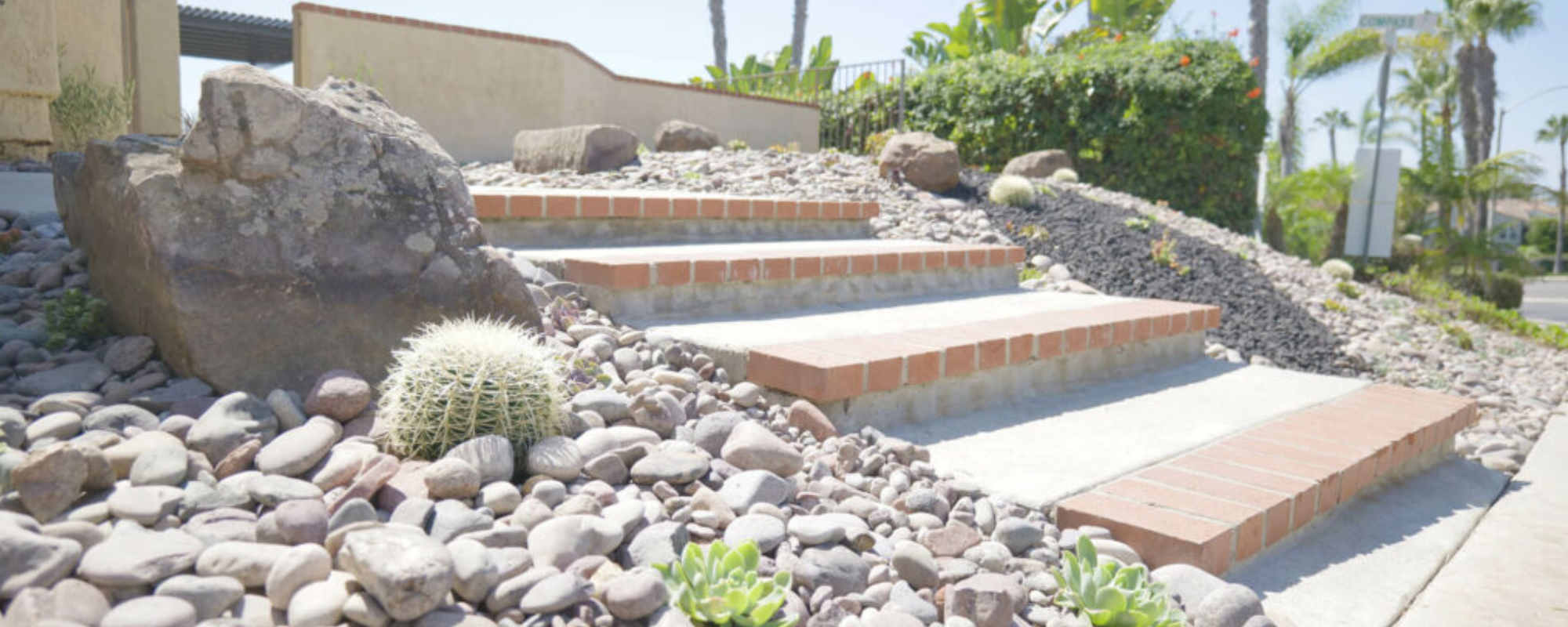
Hardscaping can significantly elevate a property’s aesthetic appeal and usability. It involves the non-living elements of your landscape, such as patios, walkways, retaining walls, and other built structures. Deciding when this type of investment makes sense depends on several factors, from enhancing curb appeal to improving functionality and increasing property value. This guide explores the scenarios where hardscaping truly pays off.
Key points
- Hardscaping enhances property appeal and usability through built elements like patios and walkways.
- Investments in hardscaping can lead to increased property value and marketability.
- Hardscaping projects are often most effective when integrated with landscaping and exterior renovations.
- Hardscaping can solve practical site issues like drainage and slopes.
- Durable materials like concrete and pavers offer long-term benefits.
Boosting Curb Appeal and Functionality
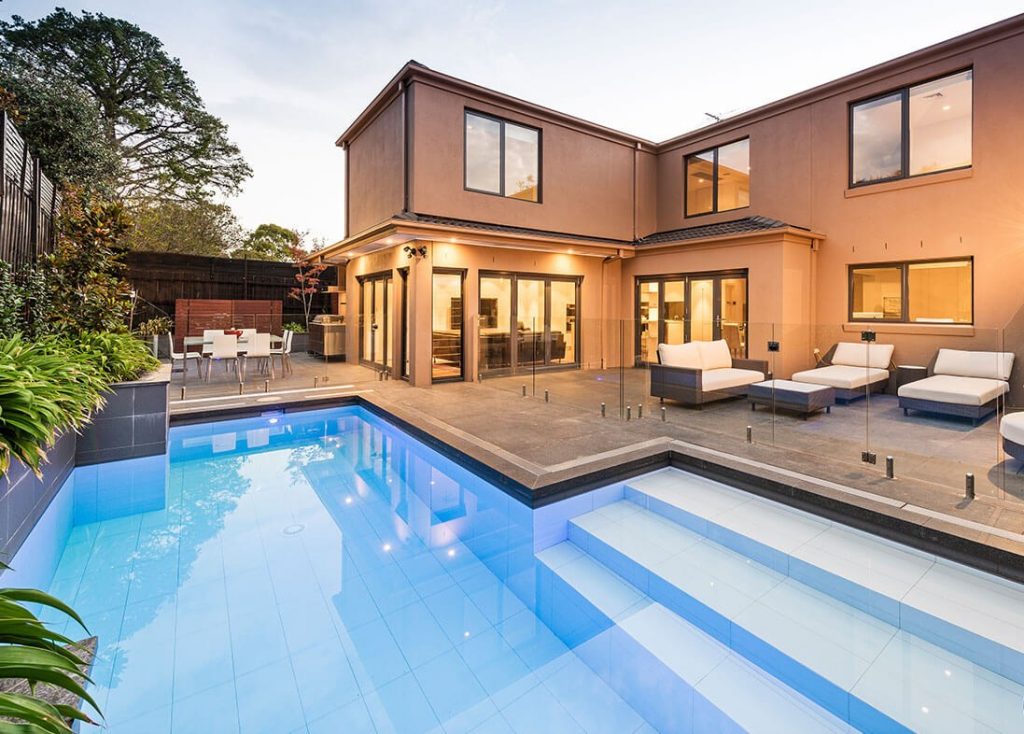
A well-designed hardscape can dramatically transform a property’s exterior. Features like elegant patios, functional walkways, and sturdy retaining walls not only improve the visual appeal but also make outdoor spaces more usable. Consider how adding a custom patio can create an ideal spot for entertaining or how well-defined pathways improve accessibility and safety around your home. These elements work in harmony with landscaping to create a cohesive and inviting outdoor environment. For homeowners looking to make a statement, investing in quality concrete work for driveways or decorative pavers for walkways can offer a lasting impression.
Increasing Property Value
Hardscaping projects often represent a sound investment in a property’s overall value. Beyond the immediate aesthetic and functional benefits, attractive and durable hardscape features can be a significant selling point. Buyers often appreciate the low maintenance and longevity that elements like stone patios, brick walkways, or professionally installed driveways provide. When considering major renovations, such as kitchen remodeling or bathroom remodeling, incorporating outdoor improvements like hardscaping can create a more comprehensive and attractive package for potential buyers, potentially leading to a higher return on investment.
Complementing Other Home Improvements
The impact of hardscaping is often amplified when integrated with other home improvement projects. For instance, a new landscaping design can be greatly enhanced by the addition of complementary hardscape features. Similarly, updates to the exterior, such as new siding or exterior & interior paint, can be brought into sharper focus by a well-executed patio or a beautifully paved driveway. Even structural considerations like waterproofing can be indirectly supported by proper grading and drainage solutions often incorporated into hardscaping plans, protecting foundations and basements.
Addressing Site Challenges and Enhancing Usability
Sometimes, hardscaping is essential for overcoming specific site challenges. Steep slopes might require retaining walls to create usable level areas for gardens or patios. Poor drainage can be addressed with French drains or properly sloped hardscape surfaces. For properties with limited yard space, vertical elements like raised planters or multi-level patios can maximize the usable outdoor area. Projects involving concrete foundations or repairs can also be considered part of hardscaping, ensuring the structural integrity and usability of the land around your home.
Common questions
When is hardscaping a good investment?
Hardscaping is a good investment when it enhances your property’s aesthetic appeal, increases its functionality for living and entertaining, improves accessibility, and boosts overall market value. It’s particularly worthwhile when addressing specific site challenges or complementing other renovation projects like landscaping or exterior updates.
How does hardscaping relate to landscaping?
Hardscaping refers to the non-living elements of a landscape, such as patios, walkways, walls, and driveways, while landscaping focuses on the living elements like plants, trees, and grass. They are complementary; effective hardscaping provides structure and usability that enhances the beauty and impact of the landscaping.
Can hardscaping improve property value?
Yes, well-designed and professionally installed hardscaping features like patios, pavers, and retaining walls can significantly increase a property’s market value and curb appeal, making it more attractive to potential buyers.
What are some common hardscaping materials?
Common hardscaping materials include concrete, natural stone, brick, pavers, gravel, and wood. The choice of material often depends on the desired aesthetic, budget, durability requirements, and the specific application, such as driveways, patios, or walkways.