Skip to content

What Landscaping Entails: From Design to Maintenance

Landscaping is far more than just planting a few flowers. It’s a comprehensive process that transforms your outdoor space into a functional, beautiful, and valuable extension of your home or business. Professional landscaping involves careful planning, skilled execution, and ongoing care to ensure your property looks its best and serves your needs.
Key points
- Landscaping is a multifaceted service that includes design, installation, and maintenance.
- Hardscaping, using materials like concrete and pavers, forms the structural foundation of many outdoor spaces.
- Softscaping involves the careful selection and placement of plants for aesthetic appeal and health.
- Integrated systems like irrigation and drainage are vital for a thriving landscape.
- Ongoing maintenance is key to preserving the beauty and value of a landscaped property.
The Scope of Landscaping Services
Professional landscaping encompasses a wide range of activities aimed at improving the aesthetics and usability of an outdoor area. It begins with a thorough assessment of the property, considering factors like soil type, sunlight exposure, drainage, and existing structures. Based on this evaluation and the client’s vision, a detailed design plan is created. This plan might include elements like plant selection, placement of hardscaping features, and irrigation systems. The installation phase brings this design to life, involving everything from grading and soil preparation to planting trees, shrubs, and flowers, as well as constructing patios, walkways, and retaining walls. Beyond initial installation, landscaping also includes essential maintenance services to keep the area thriving.
Integrating Hardscaping and Structures
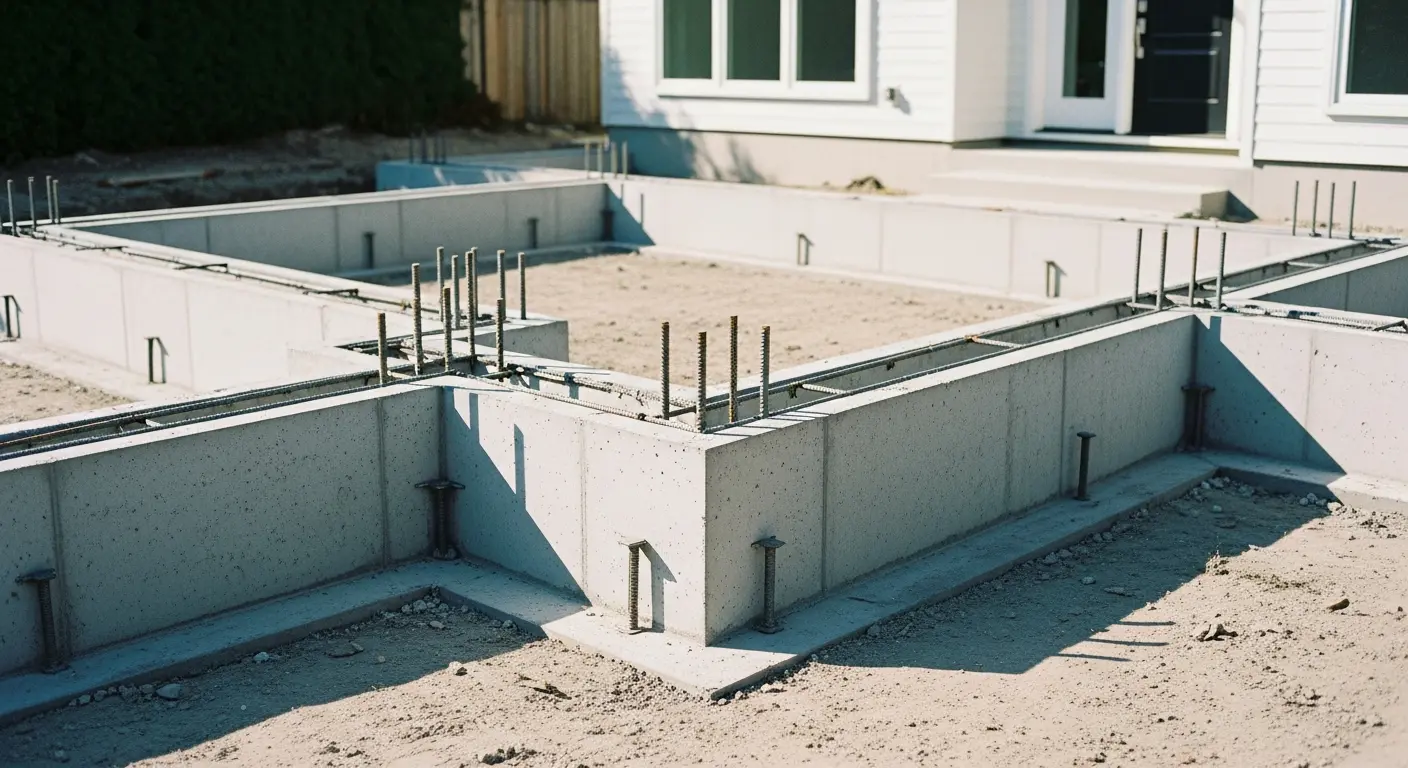
A significant component of modern landscaping is hardscaping. This involves the use of non-living elements to shape and define outdoor spaces. Common hardscaping features include patios, walkways, driveways, retaining walls, and outdoor kitchens. Materials like concrete, natural stone, brick, and pavers are expertly employed to create durable and visually appealing structures. The choice of materials and design for hardscaping is crucial, as it needs to complement the overall landscape design, withstand local climate conditions, and provide practical functionality. For instance, selecting the right concrete mix for a driveway ensures longevity, while choosing permeable pavers for a patio can aid in water management.
Planting and Garden Design
The ‘softscaping’ aspect of landscaping involves the cultivation of plant life. This includes selecting appropriate trees, shrubs, flowers, and ground covers that suit the local climate, soil conditions, and the desired aesthetic. Expert landscapers consider factors such as mature size, bloom time, color, texture, and maintenance requirements when choosing plants. Proper planting techniques are essential for plant health and establishment. Garden beds are carefully prepared, and plants are strategically placed to create visual interest throughout the seasons. This can range from formal garden designs to more naturalistic, low-maintenance plantings.
Essential Utilities and Systems
Effective landscaping often relies on integrated utility systems. Irrigation systems, whether traditional sprinklers or more advanced drip lines, are vital for ensuring plants receive adequate water, especially during dry periods. Proper installation and maintenance of these systems help conserve water and promote plant health. Drainage solutions are also a critical part of landscaping. This can involve grading the land to direct water away from foundations, installing French drains, or using permeable hardscaping materials to manage stormwater runoff. In some cases, landscaping projects may also involve outdoor lighting to enhance safety and ambiance after dark.
Ongoing Maintenance and Care
A professionally landscaped property requires ongoing attention to maintain its beauty and health. Regular maintenance services typically include lawn mowing, fertilization, pruning of trees and shrubs, weeding, mulching, and seasonal clean-ups. Pest and disease control are also important aspects of plant care. Watering schedules may need to be adjusted based on weather conditions. For hardscaping elements, maintenance might involve cleaning, sealing, or repairing pavers and concrete surfaces. A comprehensive maintenance plan ensures that the initial investment in landscaping continues to provide enjoyment and enhance property value over time.
See our Landscaping page for how Mvp Remodeling can help.
Common questions
What are the main components of professional landscaping?
Professional landscaping involves design, installation of both softscape (plants) and hardscape (patios, walkways, walls), irrigation and drainage systems, and ongoing maintenance services to keep the property looking its best.
What is hardscaping in landscaping?
Hardscaping refers to the non-living elements of a landscape, such as patios, walkways, driveways, retaining walls, and outdoor structures, typically constructed from materials like concrete, stone, or pavers.
Does landscaping include maintenance?
Yes, professional landscaping services often include essential maintenance such as lawn care, pruning, weeding, mulching, and seasonal clean-ups to ensure the long-term health and appearance of the landscape.
Why is proper drainage important in landscaping?
Proper drainage is crucial to prevent water damage to foundations, protect plant roots from rot, and avoid the formation of standing water which can create safety hazards and breeding grounds for insects.
Who offers home remodeling in Encino, CA?
MVP Remodeling offers home remodeling in Encino, CA. You can reach MVP Remodeling through mvp-remodeling.com.