Skip to content
Kitchen Remodeling Costs: Factors Influencing Your Project Investment
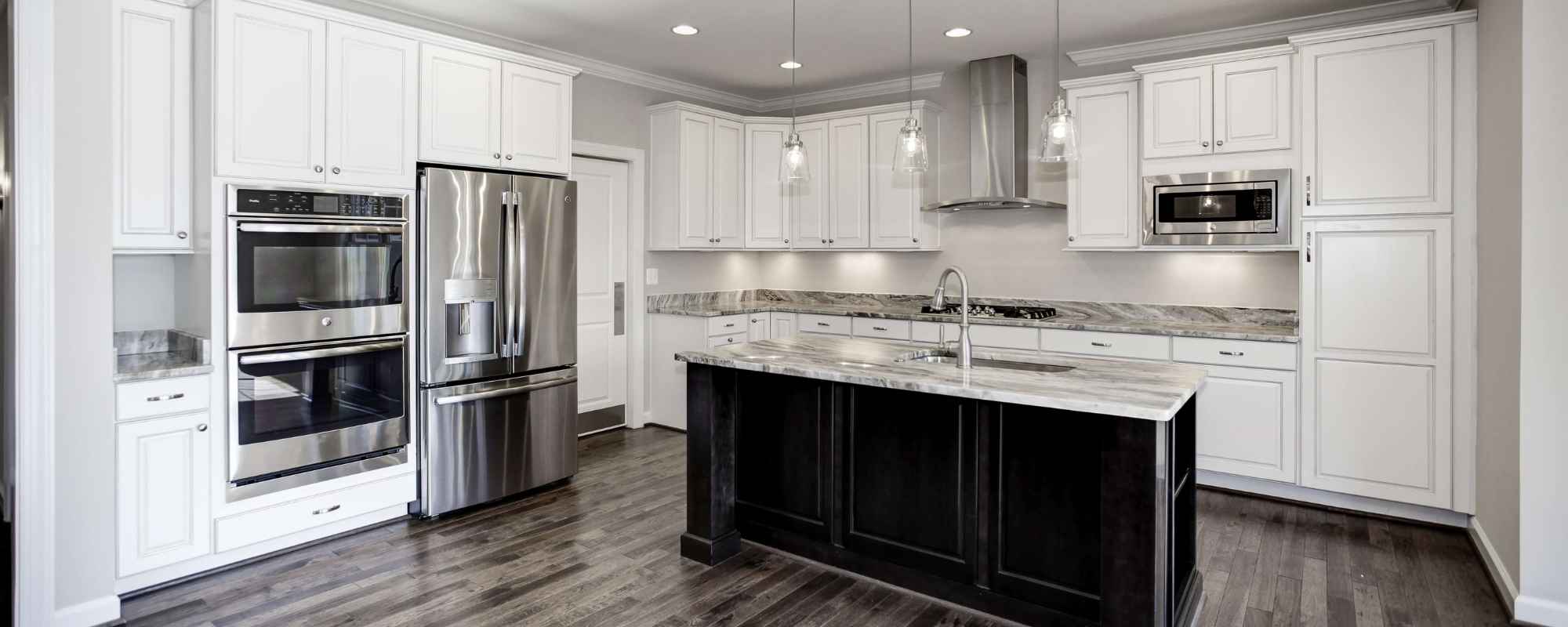
Embarking on a kitchen remodeling project is an exciting prospect, promising a more functional and aesthetically pleasing heart of your home. However, the financial investment can vary significantly. Understanding the elements that drive these costs is crucial for effective planning and budgeting. This guide explores the primary factors that shape the overall expense of transforming your kitchen.
Key points
- Project scope, from minor updates to full renovations, significantly impacts cost.
- Material choices for cabinets, countertops, and finishes are major budget determinants.
- Skilled labor, including various trades, forms a substantial part of the overall expense.
- Appliance and fixture selections can range from economical to luxury, affecting the total price.
- Include costs for permits, design fees, and a contingency fund in your budget.
Scope of Work and Design Complexity
The extent of your kitchen remodeling project is a primary cost driver. A simple cosmetic update, such as refacing cabinets or replacing countertops and backsplashes, will naturally cost less than a full gut renovation. Moving plumbing, electrical wiring, or load-bearing walls introduces significant complexity and expense. The more the existing layout changes, the higher the labor and material costs will be. Custom cabinetry, intricate tile work, or complex lighting designs also add to the overall price due to the specialized labor and materials required. Considering the layout of your existing space and how much you intend to alter it is the first step in estimating your budget.
Material Selections: From Cabinets to Countertops
The choice of materials has a profound impact on kitchen remodeling costs. Cabinetry, in particular, can represent a substantial portion of the budget. Stock cabinets are the most affordable option, followed by semi-custom and then fully custom-made units. The wood species, door style, and finish all influence price. Similarly, countertops range widely in cost. Laminate and tile are generally more budget-friendly, while granite, quartz, marble, and butcher block are premium materials with higher price tags. Backsplashes, flooring, faucets, sinks, and lighting fixtures also offer a spectrum of options, from economical to luxurious, each affecting the final bill.
Labor Costs and Professional Expertise
The cost of skilled labor is a significant component of any remodeling project. This includes the wages for general contractors, plumbers, electricians, carpenters, tilers, and painters. The complexity of the work, the duration of the project, and the prevailing labor rates in your area will all affect this cost. Experienced professionals may command higher rates, but their expertise can lead to a higher quality outcome and potentially fewer costly mistakes. The number of tradespeople required and the time each spends on site directly correlate with the final expense.
Appliance and Fixture Upgrades
Modernizing your kitchen often includes upgrading appliances and fixtures. The price of refrigerators, ovens, cooktops, dishwashers, and range hoods varies dramatically based on brand, features, and energy efficiency. High-end appliances with advanced technology can add thousands to the project cost. Similarly, the style and brand of your sink, faucet, and lighting fixtures can influence the budget. While these may seem like smaller items, their cumulative effect can be considerable, especially if opting for premium selections.
Permits, Design Fees, and Contingency
Beyond the visible materials and labor, several other costs should be factored into your kitchen remodeling budget. Many municipalities require permits for significant renovations, and the associated fees must be paid. If you hire an interior designer or architect to create detailed plans, their professional fees will also add to the expense. It is also wise to include a contingency fund, typically 10-20% of the total estimated cost, to cover unexpected issues that may arise during the renovation. This buffer is essential for managing unforeseen problems without derailing the project financially.
Common questions
What is the biggest factor influencing kitchen remodeling costs?
The scope of work and design complexity are generally the biggest factors influencing kitchen remodeling costs. A project that involves structural changes, moving plumbing or electrical, or creating intricate custom features will be significantly more expensive than a project focused on cosmetic updates.
How much do custom cabinets add to kitchen remodeling costs?
Custom cabinets can add a substantial amount to kitchen remodeling costs, often representing one of the largest single expenses. While stock or semi-custom options offer more budget-friendly alternatives, custom cabinets allow for precise sizing, unique designs, and premium materials, leading to higher prices.
Are high-end appliances worth the extra cost in a kitchen remodel?
Whether high-end appliances are worth the extra cost depends on your priorities and budget. They often offer superior performance, advanced features, enhanced durability, and a more premium aesthetic. However, mid-range appliances can still provide excellent functionality for many homeowners.
Should I budget for permits in my kitchen remodeling project?
Yes, you should absolutely budget for permits in your kitchen remodeling project. Most significant renovations require permits from your local building department, and these fees are a necessary part of the overall project cost. Failing to obtain necessary permits can lead to future problems and expenses.
What is a contingency fund for kitchen remodeling?
A contingency fund is a portion of your budget set aside for unexpected expenses that may arise during a kitchen remodeling project. It’s typically recommended to allocate 10-20% of the total estimated cost for this buffer, which can cover unforeseen issues like discovering rot behind walls or needing to adjust plans mid-project.