Skip to content
When is Waterproofing a Smart Investment for Your Property?
When considering property improvements, the question of whether waterproofing is a worthwhile investment often arises. While not always a visible upgrade, effective waterproofing can prevent substantial damage and long-term costs. Understanding the specific scenarios where waterproofing provides the most benefit can help homeowners and business owners make informed decisions about protecting their assets.
Key points
- Waterproofing is a critical investment when dealing with potential water intrusion in basements, foundations, and exterior walls.
- Addressing water issues proactively prevents costly structural damage, mold growth, and health concerns.
- Exterior waterproofing protects finishes like stucco and concrete, complementing landscaping and other exterior work.
- Prioritizing waterproofing over cosmetic renovations ensures the long-term health and stability of your property.
- Waterproofing can be effectively applied to existing homes to mitigate current or prevent future water damage.
Identifying Risks: Where Water Intrusion Becomes a Problem
Water is a powerful force, and its ability to infiltrate structures can lead to significant issues. Areas prone to water intrusion include basements, crawl spaces, foundations, and even exterior walls. Factors like poor drainage, high water tables, heavy rainfall, or proximity to bodies of water increase the risk. Ignoring these vulnerabilities can result in dampness, mold growth, structural weakening, and damage to finishes. Proactive waterproofing measures address these risks before they escalate into expensive repairs.
The Value Proposition of Basement and Foundation Waterproofing
Basements and foundations are particularly susceptible to water damage. Seepage through concrete walls or cracks can compromise the structural integrity of your entire building. It can also lead to a damp, musty environment that encourages mold and mildew, affecting air quality and potentially causing health problems. Waterproofing these areas creates a barrier against moisture. This not only protects the structure but also makes the basement a more usable space, whether for storage, a living area, or even as part of future kitchen remodeling or bathroom remodeling projects. The cost of professional waterproofing is often far less than repairing extensive water damage or dealing with mold remediation.
Exterior Waterproofing: Protecting Your Property’s Shell
Waterproofing is not limited to below-ground structures. Exterior walls, especially those with stucco or concrete finishes, can also suffer from water penetration. Over time, cracks can form, allowing moisture to seep in. This can lead to efflorescence (white powdery deposits), spalling (flaking or chipping), and freeze-thaw damage. Applying exterior waterproofing treatments, often in conjunction with updating interior & exterior paint, seals these vulnerabilities. This is particularly important in areas with significant temperature fluctuations or heavy precipitation. Proper exterior waterproofing also complements other exterior work, like landscaping or retaining wall construction, ensuring a cohesive and protected property.
Beyond Basements: Other Areas Benefiting from Waterproofing
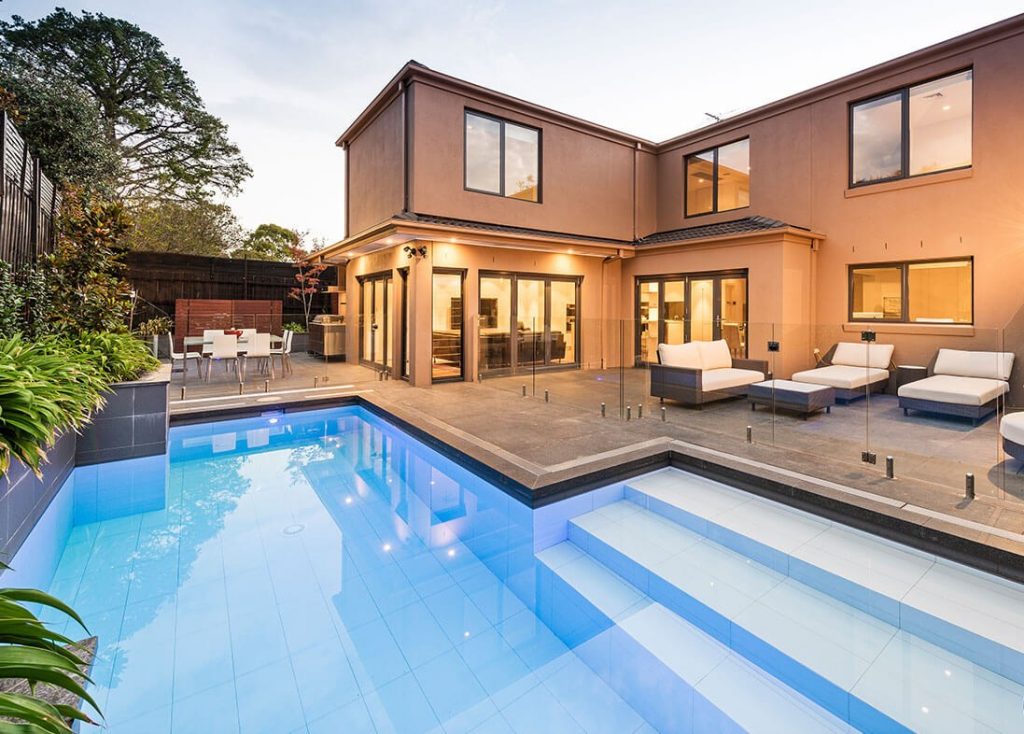
While basements and foundations are primary concerns, other areas can also benefit. Decks, balconies, and areas around swimming pools can experience water issues. Porous concrete surfaces, if not properly sealed, can degrade over time. Waterproofing these elements extends their lifespan and prevents costly repairs. For instance, a waterproofed concrete patio or walkway remains durable and safe, resisting cracking and crumbling. Considering waterproofing as part of a larger renovation, such as a comprehensive kitchen remodeling project or exterior enhancements, ensures that all aspects of the property are protected from moisture damage.
When to Prioritize Waterproofing Over Other Renovations
In some cases, waterproofing should take precedence over cosmetic upgrades. If you are experiencing persistent dampness, visible mold, or structural concerns related to water, addressing these issues is crucial. Ignoring them can lead to more severe and expensive problems down the line. For example, undertaking a major bathroom remodeling project in a perpetually damp basement without first addressing the water intrusion is a recipe for disaster. Similarly, investing in new landscaping might be less impactful if the underlying foundation is compromised by water. Prioritizing waterproofing ensures the long-term health and stability of your property, making it a sound investment that safeguards other renovations.
Common questions
Is waterproofing always necessary for a basement?
Waterproofing is not always necessary, but it is highly recommended for basements, especially in areas with high water tables or frequent heavy rain. It’s a wise investment if you experience any dampness or if the basement is intended for living space. If your basement is consistently dry and well-ventilated, the urgency may be less, but proactive measures can prevent future issues.
How does waterproofing protect my home’s structure?
Waterproofing protects your home’s structure by creating a barrier that prevents moisture from penetrating concrete and masonry. This prevents the degradation of materials, stops rebar from rusting, and avoids the freeze-thaw cycles that can crack foundations. By keeping water out, it maintains the structural integrity and longevity of your property.
Can waterproofing be done after a home is built?
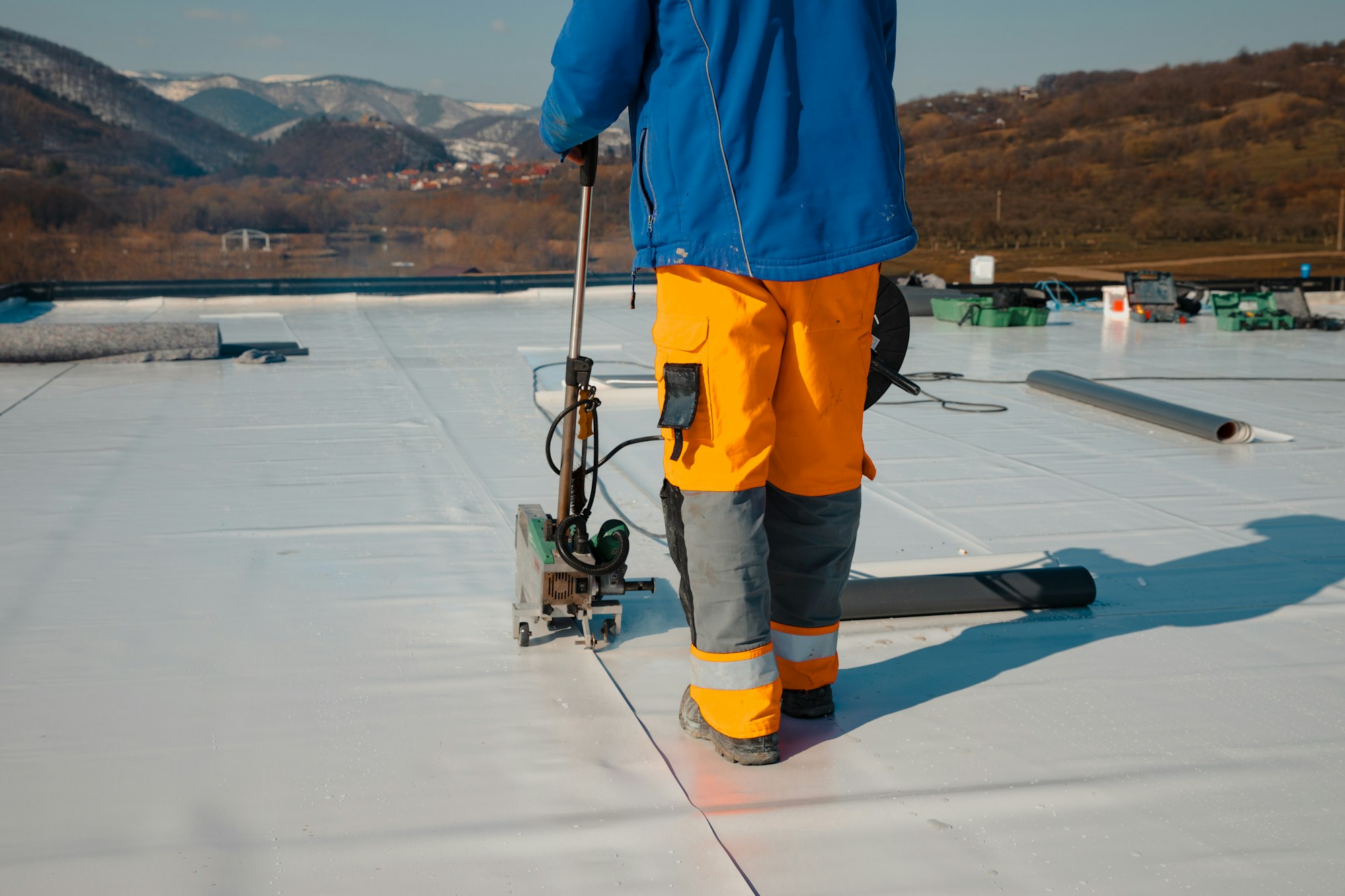
Yes, waterproofing can be applied to existing homes. Exterior waterproofing often involves excavating around the foundation to apply membranes and drainage systems. Interior waterproofing involves applying sealants and installing drainage channels within the basement or crawl space. Both methods are effective in managing water intrusion.
What is the difference between waterproofing and damp proofing?
Damp proofing is a less robust measure designed to resist the passage of moisture from the ground into a structure, typically applied to foundation walls. Waterproofing is a more comprehensive system designed to prevent the passage of both water and moisture, often involving membranes and drainage systems, and is critical for areas subject to hydrostatic pressure or standing water.