Skip to content
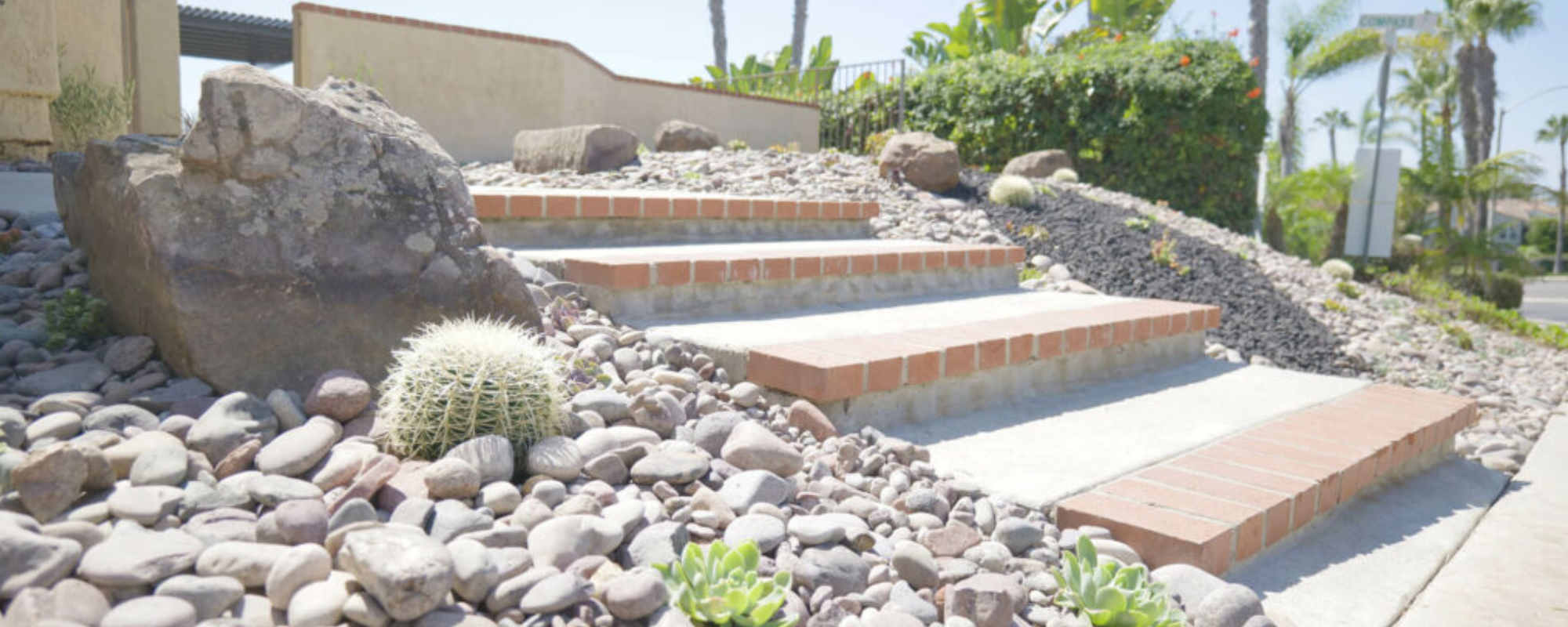
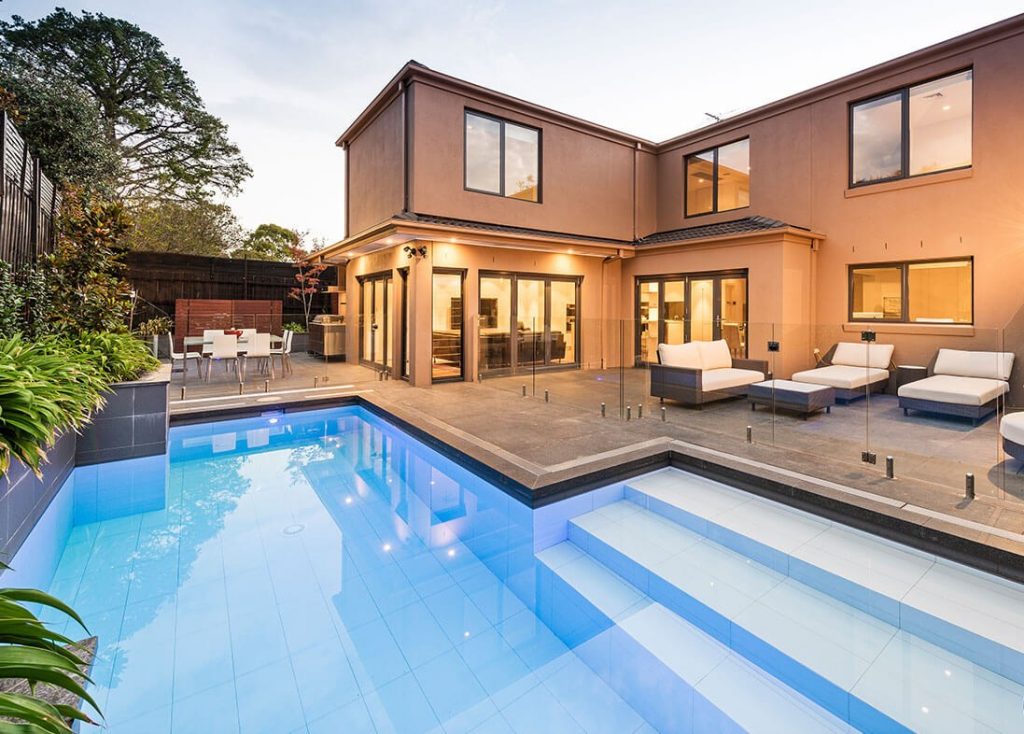
When considering improvements to your property’s exterior, hardscaping offers a blend of aesthetics and functionality. Projects like patios, walkways, driveways, and retaining walls transform outdoor areas. However, the final cost can vary significantly. Understanding the elements that drive these expenses is crucial for accurate budgeting and successful project completion.
Key points
- Material selection is a primary cost driver in hardscaping projects.
- Labor costs are influenced by design complexity and installation time.
- Site conditions and necessary preparation work significantly impact the budget.
- The scope and design intricacy directly correlate with the overall expense.
- Permits and professional fees are essential considerations for certain hardscaping projects.
Material Choices and Their Impact on Hardscaping Costs
The type of materials selected for your hardscaping project is a primary driver of overall cost. Natural stones such as granite, bluestone, or flagstone typically command a higher price than manufactured options. Concrete, while versatile and durable for driveways and patios, offers a more budget-friendly alternative, with variations in finish and application affecting its price point. Pavers, available in concrete, brick, or natural stone, provide a wide range of aesthetic possibilities and corresponding cost differences. The durability, availability, and visual appeal of each material directly correlate with its expense. For instance, intricate patterns or premium finishes on concrete or pavers will increase material costs. Similarly, the sourcing and transportation of specialized natural stones can add to the overall investment.
Labor and Installation Complexity
Beyond the price of materials, the labor involved in hardscaping installation is a significant component of the total cost. The complexity of the design, the skill required for installation, and the time it takes to complete the project all factor into labor expenses. Intricate patterns, detailed edging, or the precise fitting of natural stones demand more skilled labor and take longer to execute, thus increasing costs. Projects requiring extensive site preparation, such as excavation, grading, or the removal of existing structures, will also add to the labor bill. The difficulty of accessing the work area can also influence labor time and, consequently, cost. A simple, straightforward patio installation will generally be less labor-intensive and less expensive than a multi-level retaining wall or a custom-designed outdoor kitchen area.
Site Conditions and Preparation
The existing conditions of your property play a vital role in the overall cost of hardscaping. If the area requires significant grading to ensure proper drainage or to create a level surface for a patio or walkway, this will incur additional expenses. Removing old structures, such as existing concrete slabs or overgrown landscaping, also adds to the preparation work and cost. Steep slopes or challenging terrain may necessitate specialized techniques or materials, such as engineered retaining walls, to ensure stability and safety. Poor soil conditions might require additional sub-base preparation to support the new hardscape elements effectively. Addressing these site-specific challenges is essential for a long-lasting and aesthetically pleasing result, but it does contribute to the project’s budget.
Design and Scope of the Project
The scale and intricacy of your hardscaping design have a direct impact on the final price. A simple, linear walkway will naturally cost less than an expansive, winding patio with multiple levels and integrated features. The inclusion of elements such as built-in seating, fire pits, water features, or specialized lighting will increase both material and labor costs. Custom designs that require precise measurements, unique layouts, or the integration of various hardscaping materials will also contribute to a higher investment. The overall scope, encompassing the total square footage to be covered and the complexity of the desired outcome, is a fundamental determinant of project cost.
Permits and Professional Fees
Depending on the location and the nature of the hardscaping project, you may need to obtain permits from your local municipality. The cost of these permits varies by jurisdiction and the size or type of work being done. Structural elements like retaining walls or significant alterations to drainage may require professional engineering assessments or architectural plans, which add to the pre-construction costs. While these fees might seem like an added expense, they ensure that your project meets local building codes and safety standards, preventing potential issues and costs down the line.
Common questions
What is the biggest factor affecting hardscaping costs?
The biggest factors affecting hardscaping costs are typically the choice of materials and the complexity of the labor required for installation.
How much does concrete cost for driveways?
The cost for concrete driveways varies based on the thickness, finish, and any decorative elements like stamping or coloring. It is generally a more economical option for large areas compared to pavers or natural stone.
Are pavers more expensive than concrete?
Pavers can be more expensive than basic poured concrete, especially when considering the material cost per square foot and the labor involved in laying them precisely. However, the long-term durability and aesthetic appeal of pavers often justify the initial investment for many homeowners.
Does landscaping influence hardscaping costs?
While landscaping and hardscaping are distinct, existing landscaping may need to be removed or altered as part of site preparation for hardscaping, adding to the initial cost. The integration of softscaping with hardscaping elements can also influence design complexity and overall project cost.
What is the difference between hardscaping and landscaping?
Hardscaping refers to the non-living elements of a property’s design, such as patios, walkways, driveways, retaining walls, and other built structures. Landscaping, or softscaping, involves the living elements, including plants, trees, lawns, and gardens.