Skip to content

Concrete Project Costs: Understanding What Influences the Price of Your Concrete Work
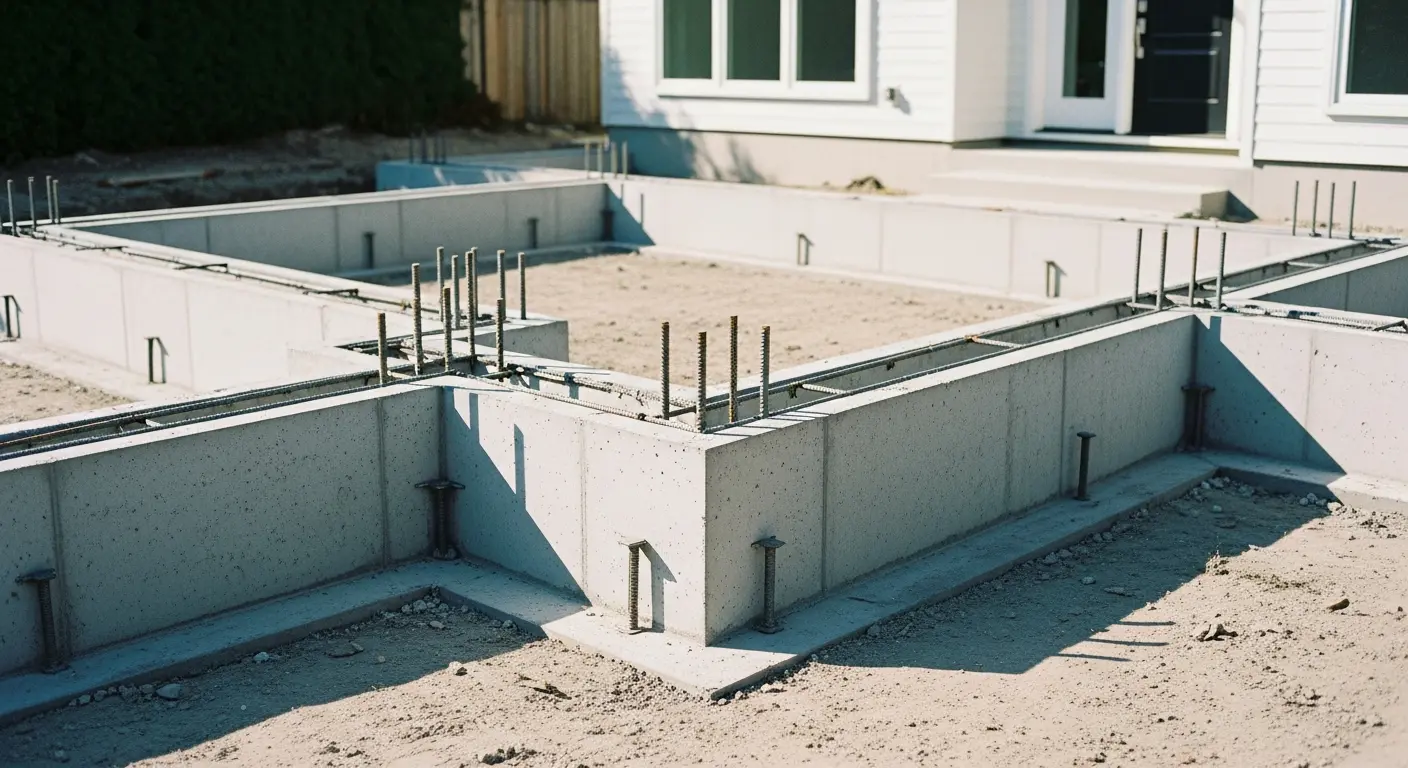
When planning a concrete project, understanding the factors that influence its cost is crucial for accurate budgeting. Whether you’re considering new driveways & pavers, a concrete patio, or structural elements, several variables contribute to the final price. By grasping these elements, you can make informed decisions and work effectively with contractors.
Key points
- Material selection, including the type and quality of concrete mix and aggregates, directly impacts cost.
- Labor charges are a major component, influenced by project complexity, crew skill, and time required.
- Site preparation, including excavation, grading, and formwork, can significantly add to the total price.
- The scope and complexity of the concrete pour, such as size, shape, and reinforcement needs, are primary cost drivers.
- Finishing techniques, from basic broom finishes to decorative stamped concrete, vary in price.
- Geographical location influences costs due to regional labor rates, material availability, and local regulations.
Material Selection and Quality
The type of concrete mix used significantly impacts the overall cost. Standard concrete mixes are generally more affordable than specialized ones. For instance, concrete designed for high-strength applications or specific environmental conditions might include additives that increase its price. The quality of the aggregate (sand, gravel, and crushed stone) and cement also plays a role. Reputable suppliers often use higher-grade materials, which may come at a premium but ensure greater durability and longevity for your project. The desired finish also affects material costs; a basic broom finish is less expensive than a stamped or decorative finish that requires specialized techniques and sealants.
Labor and Contractor Fees
Labor is a substantial component of any concrete project’s cost. The complexity of the job, the required skill level of the crew, and the time needed to complete the work all factor into labor charges. Projects requiring intricate formwork, detailed finishing, or working in challenging locations naturally incur higher labor costs. A contractor’s experience, reputation, and overhead also influence their pricing. Experienced professionals may charge more, but their expertise often leads to higher quality results and fewer costly mistakes. It is essential to obtain detailed quotes that break down labor costs so you understand what you are paying for.
Site Preparation and Accessibility
Before concrete can be poured, the site must be properly prepared. This often involves excavation, grading, and the installation of forms. The existing conditions of the site can greatly affect these preparation costs. If significant demolition of existing structures, extensive excavation, or complex grading is required, the preparation phase will be more expensive. Accessibility is another key factor. If the job site is difficult to reach, it can increase labor time and potentially require specialized equipment for material delivery and removal of spoil. Poor access can lead to higher costs for transporting materials and equipment to and from the work area.
Project Scope and Complexity
The sheer size and intricacy of your concrete project are primary cost drivers. A simple, small concrete slab will naturally cost less than a large, complex driveway with integrated pathways or a custom-designed patio. The shape of the pour, the need for reinforcement (such as rebar or wire mesh), and the inclusion of features like expansion joints or decorative borders all add to the complexity and, consequently, the cost. Projects that integrate with other aspects of home improvement, such as kitchen remodeling or bathroom remodeling, might require careful coordination, potentially increasing overall project management time and expense.
Finishing Techniques and Additives
The final look of your concrete goes beyond a simple pour. Various finishing techniques can be applied, each with its own cost implications. Basic finishes like a broom finish or smooth trowel finish are standard and cost-effective. However, more elaborate finishes such as stamped concrete, exposed aggregate, or colored concrete require additional labor, specialized tools, and sometimes different material mixes, driving up the price. The use of concrete sealers and coatings, while often recommended for protection and aesthetics, also represent an additional cost. These can enhance durability, provide waterproofing, and improve appearance, but they add to the initial investment.
Geographical Location and Local Factors
Costs for concrete work can vary significantly based on your geographical location. Labor rates, material availability, and local building codes all influence pricing. In areas with a higher cost of living or a high demand for construction services, you can expect prices to be higher. Furthermore, local regulations regarding waste disposal, permitting, and environmental standards can add to the project’s expense. The presence of specialized concrete suppliers or a competitive market for contractors in your area might help to moderate costs, but these are often regional considerations.
See our Concrete page for how Mvp Remodeling can help.
Common questions
What is the biggest factor influencing concrete costs?
The biggest factors influencing concrete costs are typically the scope and complexity of the project, combined with labor expenses. A larger, more intricate job requiring specialized skills and significant time will naturally cost more than a simple, straightforward pour.
Does the type of concrete finish affect the price?
Yes, the type of concrete finish significantly affects the price. Standard finishes like a broom finish are the most economical, while decorative options such as stamped, colored, or exposed aggregate finishes require more specialized labor and materials, increasing the cost.
How does site preparation impact concrete project costs?
Site preparation can substantially impact concrete project costs, especially if extensive excavation, grading, or demolition of existing surfaces is needed. Difficult site accessibility also adds to labor and equipment expenses for material delivery and waste removal.
Are specialized concrete mixes more expensive?
Yes, specialized concrete mixes are generally more expensive than standard ones. Concrete formulated for high-strength applications, rapid curing, or specific environmental resistance often includes additives or premium ingredients that raise its price.