Skip to content

Understanding Concrete: Properties, Applications, and Maintenance for Your Property
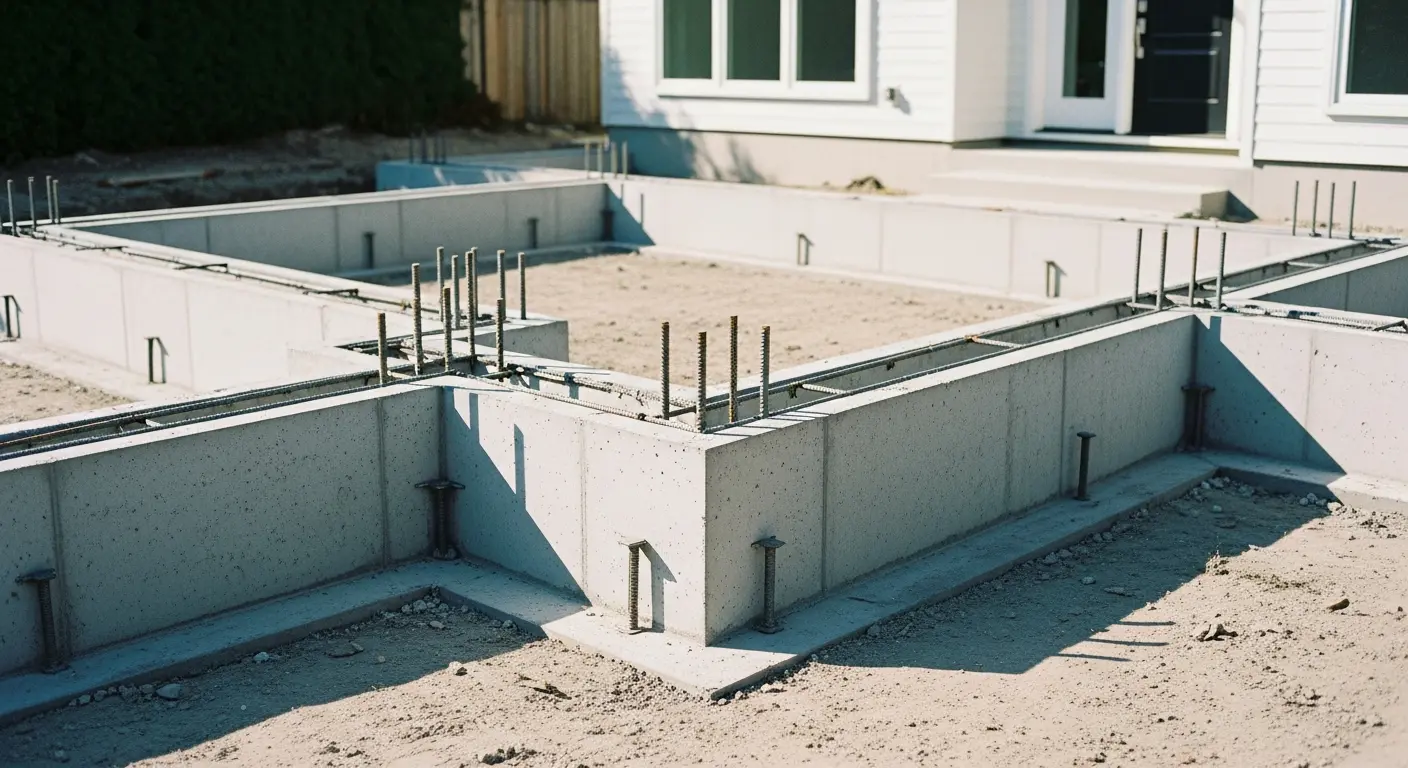
Concrete is a cornerstone material in construction and renovation, valued for its strength, durability, and versatility. While often taken for granted, understanding what concrete is, how it’s used, and how to care for it can significantly impact the longevity and appearance of your property’s features. This guide delves into the essential aspects of concrete, from its basic components to practical applications and maintenance.
Key points
- Concrete is a composite material made from cement, aggregate, and water.
- Its strength and versatility make it ideal for driveways, patios, foundations, and structural work.
- Various finishes, like stamped or polished concrete, can enhance aesthetics.
- Regular maintenance, sealing, and waterproofing are key to concrete longevity.
- Consider concrete’s properties against alternatives like pavers or asphalt based on your project needs.
What is Concrete Made Of?
At its core, concrete is a composite material made from three primary ingredients: cement, aggregate, and water. The cement, typically Portland cement, acts as a binder. When mixed with water, it undergoes a chemical reaction called hydration, which hardens and binds the other components together. Aggregates are inert granular materials like sand (fine aggregate) and gravel or crushed stone (coarse aggregate). They form the bulk of the concrete mix and contribute to its strength and stability. Admixtures can also be added to modify concrete’s properties, such as improving workability, accelerating or retarding setting time, or enhancing resistance to freezing and thawing.
Common Applications of Concrete
The strength and adaptability of concrete make it suitable for a vast array of applications. In residential settings, it is widely used for driveways & pavers, providing a durable surface for vehicles. Patios and walkways benefit from concrete’s ability to be shaped and finished in various ways, contributing to hardscaping and landscaping designs. Beyond outdoor surfaces, concrete is fundamental for foundations, structural walls, and floors in both homes and commercial buildings. Its use extends to sidewalks, curbs, and even decorative elements, showcasing its broad utility in construction and property improvement.
Concrete Finishes and Aesthetics
The appearance of concrete can be significantly altered through different finishing techniques. A standard broom finish offers a slightly textured, slip-resistant surface, ideal for driveways and walkways. Stamped concrete can mimic the look of more expensive materials like natural stone, brick, or wood, adding decorative appeal to patios and hardscaping projects. Polished concrete provides a smooth, glossy finish, often used for interior floors where a modern aesthetic is desired. Each finish not only affects the look but also the texture and maintenance requirements of the concrete surface.
Caring for Your Concrete: Maintenance and Protection
Proper maintenance is crucial for extending the life of concrete surfaces and preserving their appearance. Regular cleaning removes dirt, oil, and other contaminants that can stain or degrade the material. For driveways and patios, sealing the concrete is highly recommended. Sealants penetrate the surface, creating a barrier against moisture, chemicals (like de-icing salts), and stains, which is particularly important in areas with harsh weather conditions. Waterproofing treatments can further protect against water intrusion, preventing cracking and spalling caused by freeze-thaw cycles. Addressing any cracks or damage promptly will prevent them from worsening and compromising the structural integrity of the concrete.
Concrete vs. Alternatives: Making the Right Choice
While concrete is a popular choice, it’s useful to consider its advantages against other materials. For driveways, concrete offers a cost-effective and durable option compared to asphalt, though asphalt may be easier to repair. In hardscaping, pavers offer a modular alternative that allows for intricate patterns and easier replacement of individual units if damaged. For structural elements, concrete remains a dominant material due to its inherent strength and load-bearing capacity. The best material choice often depends on the specific application, budget, desired aesthetics, and long-term maintenance considerations. For projects involving extensive outdoor living spaces or structural work, consulting with professionals experienced in concrete and general remodeling can ensure the optimal selection and execution.
Common questions
What are the main components of concrete?
The primary components of concrete are cement, aggregate (sand and gravel), and water. Cement acts as the binder, the aggregate provides bulk and strength, and water initiates the chemical reaction (hydration) that hardens the mixture.
What are common uses for concrete in home improvement?
Common uses include driveways, patios, walkways, foundations, garage floors, and structural elements. It’s a versatile material for both hardscaping and essential building components.
How can I protect my concrete surfaces from damage?
Protecting concrete involves regular cleaning, applying sealants to resist stains and moisture, and considering waterproofing treatments, especially in harsh climates. Promptly repairing any cracks is also essential.
Can concrete be decorative?
Yes, concrete can be finished in various decorative ways. Techniques like stamping can mimic stone or brick, while polishing creates a smooth, glossy surface suitable for modern interiors.