Skip to content

When to Choose Concrete for Your Home Improvement Projects
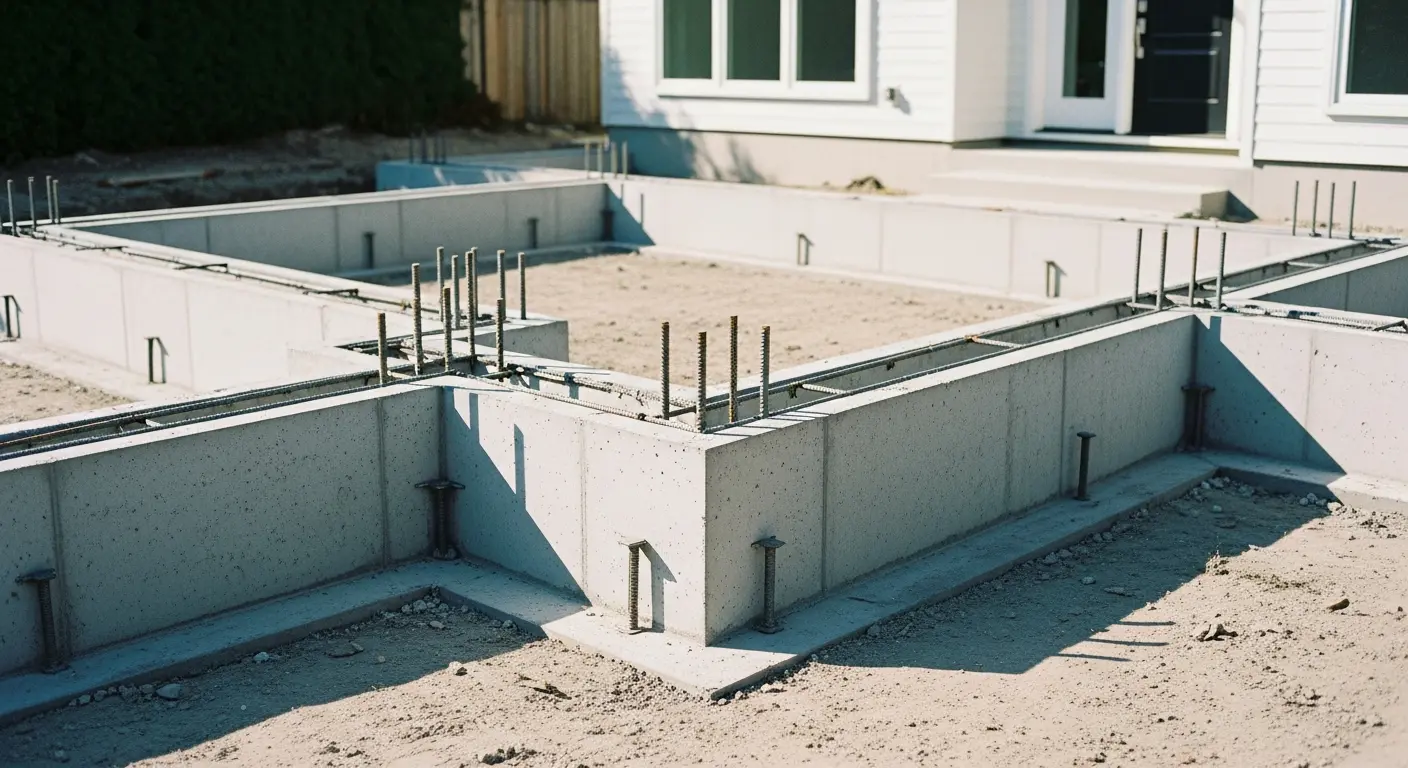
Concrete is a foundational material in construction and renovation, offering unparalleled strength and versatility. While often associated with basic structural needs, modern applications showcase its potential for aesthetic enhancement and long-term value. Deciding when to incorporate concrete into your home improvement plans involves understanding its advantages, potential drawbacks, and where it best serves your project goals, from functional driveways and walkways to decorative hardscaping.
Key points
- Concrete offers exceptional durability and longevity for driveways, walkways, and structural elements.
- Modern concrete finishes allow for aesthetic customization, mimicking materials like stone or brick for hardscaping.
- It provides a cost-effective and robust alternative to materials like pavers or wood in many outdoor applications.
- Proper installation is critical for the performance and appearance of any concrete project.
- Concrete’s versatility makes it suitable for both functional construction and decorative design elements.
The Enduring Appeal of Concrete
Concrete’s primary advantage is its robustness. It withstands heavy loads, extreme weather, and the test of time with minimal degradation. This makes it an excellent choice for areas requiring high durability, such as driveways, walkways, and foundations. Beyond pure strength, concrete has evolved significantly. It can be stamped, colored, and textured to mimic more expensive materials like natural stone or brick, offering a budget-friendly alternative for hardscaping projects. This adaptability allows for creative designs that enhance curb appeal and outdoor living spaces. When considering renovations, concrete provides a reliable and cost-effective solution for many exterior and structural needs.
Functional Applications: Beyond the Basics
The most common use of concrete is for driveways and walkways. A well-constructed concrete driveway offers a smooth, stable surface for vehicles, resisting the cracking and shifting that can plague asphalt over time. For patios and outdoor living areas, concrete can be transformed into visually appealing surfaces through staining and stamping. This opens up possibilities for creating beautiful, low-maintenance spaces for entertaining or relaxation. In terms of structural integrity, concrete is indispensable for foundations, retaining walls, and other load-bearing elements. Its ability to be poured into complex forms makes it ideal for custom architectural features. Even in areas requiring waterproofing, concrete’s density, when properly sealed, can contribute to a barrier against moisture intrusion.
When Concrete Outperforms Other Materials
While materials like natural stone or wood offer unique aesthetic qualities, concrete often presents a more practical choice. For instance, when comparing driveways and pavers, concrete typically offers a longer lifespan and requires less maintenance than individual pavers, which can shift or become uneven. Its resilience makes it suitable for high-traffic areas where durability is paramount. In landscaping, concrete can be used for retaining walls or edging, providing a clean, defined boundary that resists rot and insect damage, unlike wooden alternatives. For those planning extensive outdoor improvements, concrete’s role in hardscaping can integrate seamlessly with landscaping elements, providing a cohesive and enduring design. Its versatility means it can complement or even replace other materials depending on project demands and budget considerations.
Considering Concrete in Your Renovation Plans
Integrating concrete into your home renovation requires careful planning. The success of any concrete project, whether it’s for a patio, driveway, or structural component, relies heavily on proper preparation, mixing, pouring, and curing. Working with experienced professionals ensures that these steps are executed correctly, leading to a durable and aesthetically pleasing result. While concrete is generally lower maintenance than many other materials, periodic sealing can extend its life and prevent staining. For homeowners considering major upgrades like kitchen remodeling or bathroom remodeling, it’s easy to overlook the exterior and foundational elements. However, investing in solid concrete work, particularly for outdoor areas and structural bases, can significantly enhance property value and enjoyment for years to come.
See our Concrete page for how Mvp Remodeling can help.
Common questions
Is concrete a good choice for outdoor patios?
Yes, concrete is an excellent choice for outdoor patios due to its durability, resistance to weather, and the ability to be customized with various finishes like stamping and coloring to achieve different aesthetic looks.
How does concrete compare to pavers for driveways?
Concrete generally offers a more monolithic and stable surface for driveways compared to pavers. While pavers can be aesthetically pleasing, they may shift over time and require more individual maintenance, whereas a properly installed concrete driveway offers long-term durability and requires less upkeep.
Can concrete be used for landscaping features?
Absolutely. Concrete is versatile in landscaping for elements such as retaining walls, garden edging, steps, and even decorative features. Its strength and moldability allow for durable and custom-designed landscape structures.
What are the maintenance requirements for concrete surfaces?
Concrete surfaces are relatively low maintenance. Periodic cleaning is recommended, and applying a sealant every few years can help protect against stains and damage from de-icing salts or harsh weather, thus extending its lifespan.