Skip to content
Understanding the Factors Influencing Interior & Exterior Paint Project Costs

When considering an update to your property’s appearance, interior and exterior paint projects are often top of mind. While the concept is straightforward, the final cost can vary significantly. Understanding the elements that influence pricing is crucial for budgeting and selecting the right approach for your home or business.
Key points
- Surface preparation is critical and significantly impacts cost.
- Paint quality and type influence both price and longevity.
- Project scope, including size and complexity, is a major cost factor.
- Skilled labor represents a substantial portion of the total expense.
- Additional services like repairs or waterproofing add to the overall investment.
Surface Preparation: The Foundation of a Lasting Paint Job
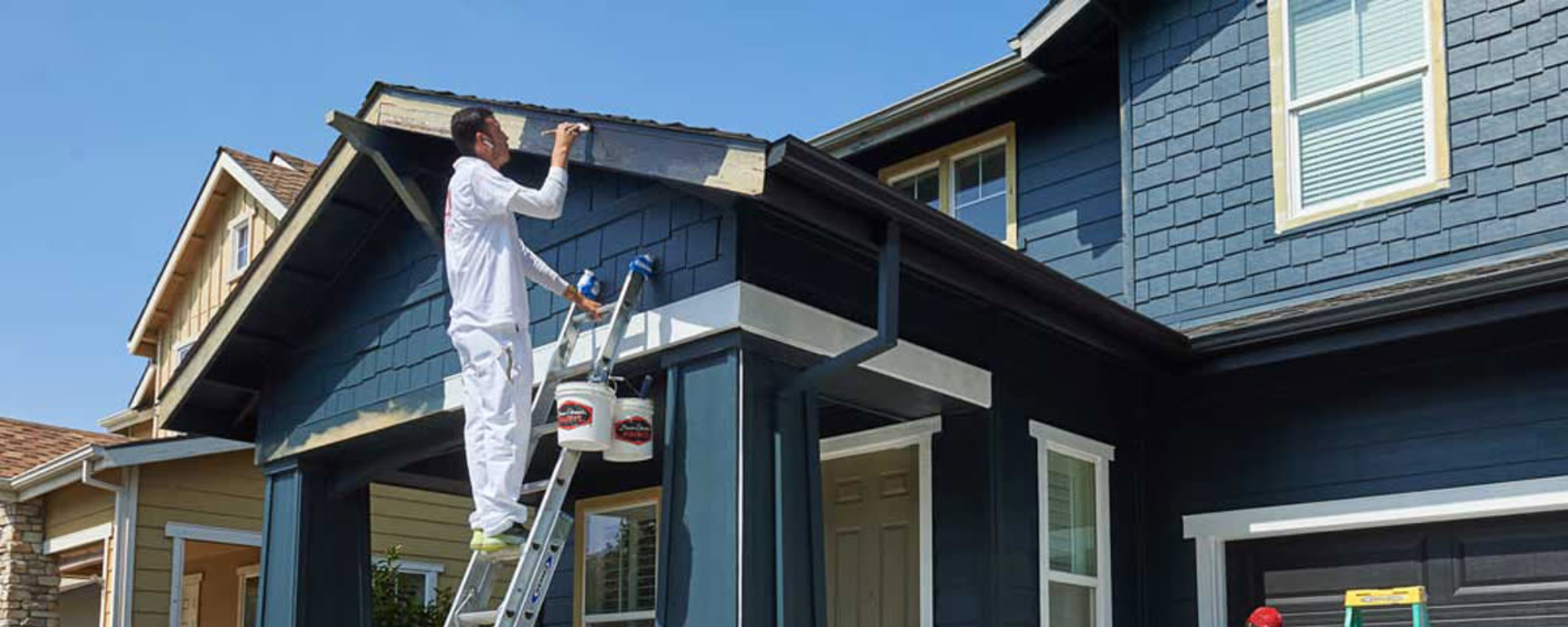
The condition of the surfaces to be painted plays a pivotal role in project cost. Thorough preparation is essential for a durable and attractive finish. This can involve cleaning away dirt, mildew, or chalking paint, especially on exteriors. For interiors, it might mean patching drywall, sanding rough spots, or filling nail holes. Significant repairs, like addressing peeling paint, repairing minor cracks in stucco, or preparing concrete surfaces, add to the labor and material expenses. The more extensive the prep work required, the higher the overall investment will be. Neglecting this step can lead to premature paint failure, costing more in the long run.
Paint Quality and Type: More Than Just Color
The type and quality of paint selected directly impact the price. Higher-quality paints typically offer better durability, coverage, and resistance to fading and wear. For exteriors, specific formulations are needed to withstand weather elements, UV exposure, and moisture, often including mildewcides and UV protectants. Interior paints vary based on the room’s needs, such as scrubbability for high-traffic areas or moisture resistance for bathrooms and kitchens. Specialty paints, like those for trim, ceilings, or unique finishes, also come at different price points. The number of coats required also affects the total paint expenditure. While premium paints may have a higher upfront cost, their longevity can offer better value over time.
Scope of the Project: Size and Complexity
The sheer scale of the painting job is a primary cost driver. Larger homes or commercial buildings naturally require more paint and labor hours. The complexity of the surfaces also matters. Intricate architectural details, multiple stories, or hard-to-reach areas demand more time and potentially specialized equipment, such as scaffolding or lifts. For exterior work, factors like the pitch of the roof, the presence of landscaping that needs protection, or the need for power washing before painting will influence the labor involved. Similarly, interior projects involving high ceilings, numerous doors and windows, or detailed trim work will require more meticulous effort.
Labor Costs: Skill and Time Investment
Labor is a significant component of any painting project’s cost. Professional painters bring expertise in surface preparation, application techniques, and color matching. The hourly rates or project bids reflect their experience, the complexity of the job, and the time commitment. Factors influencing labor costs include the accessibility of the areas to be painted, the need for multiple painters for efficiency, and the specific skills required for certain finishes or materials. The geographical location can also play a role in prevailing labor rates. While DIY painting might seem cost-effective, it often overlooks the value of professional execution and the potential for costly mistakes.
Additional Services and Considerations
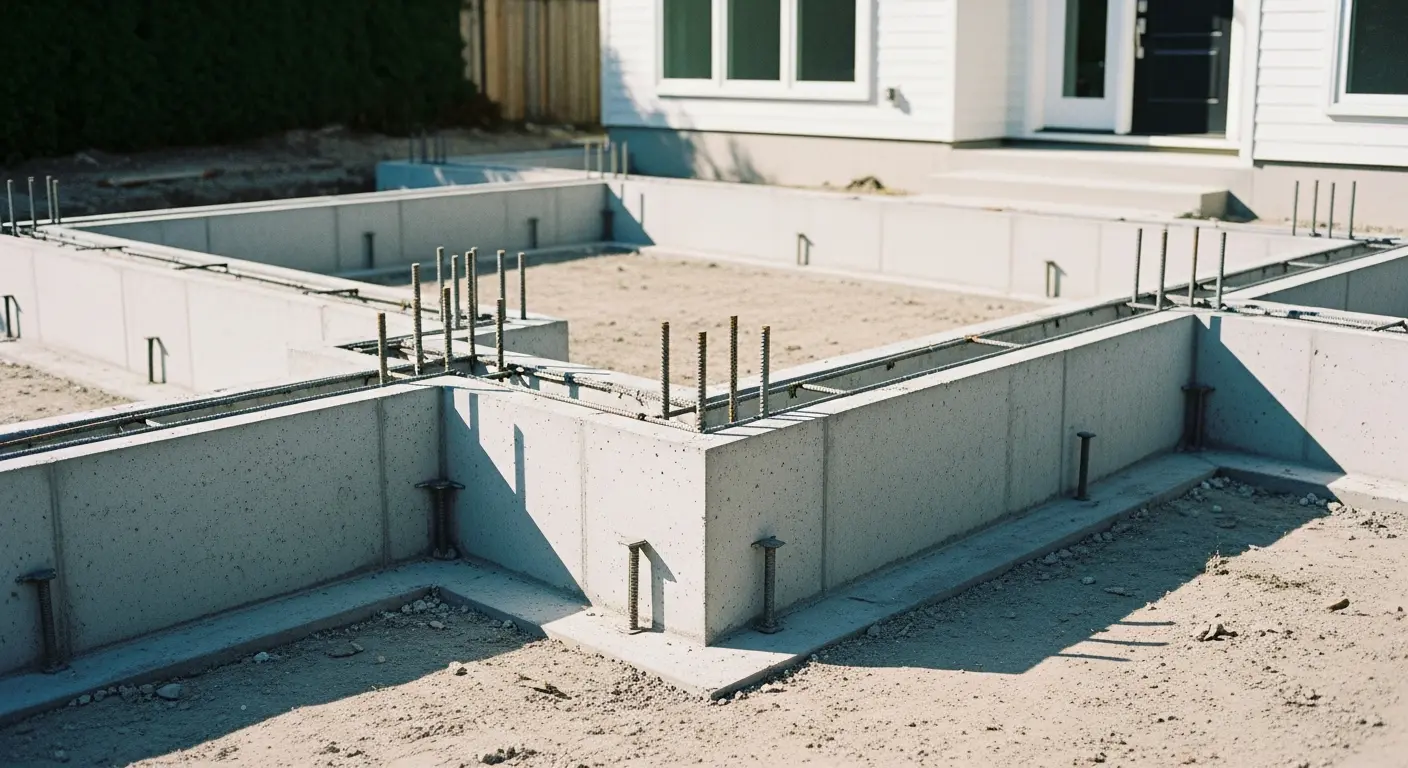
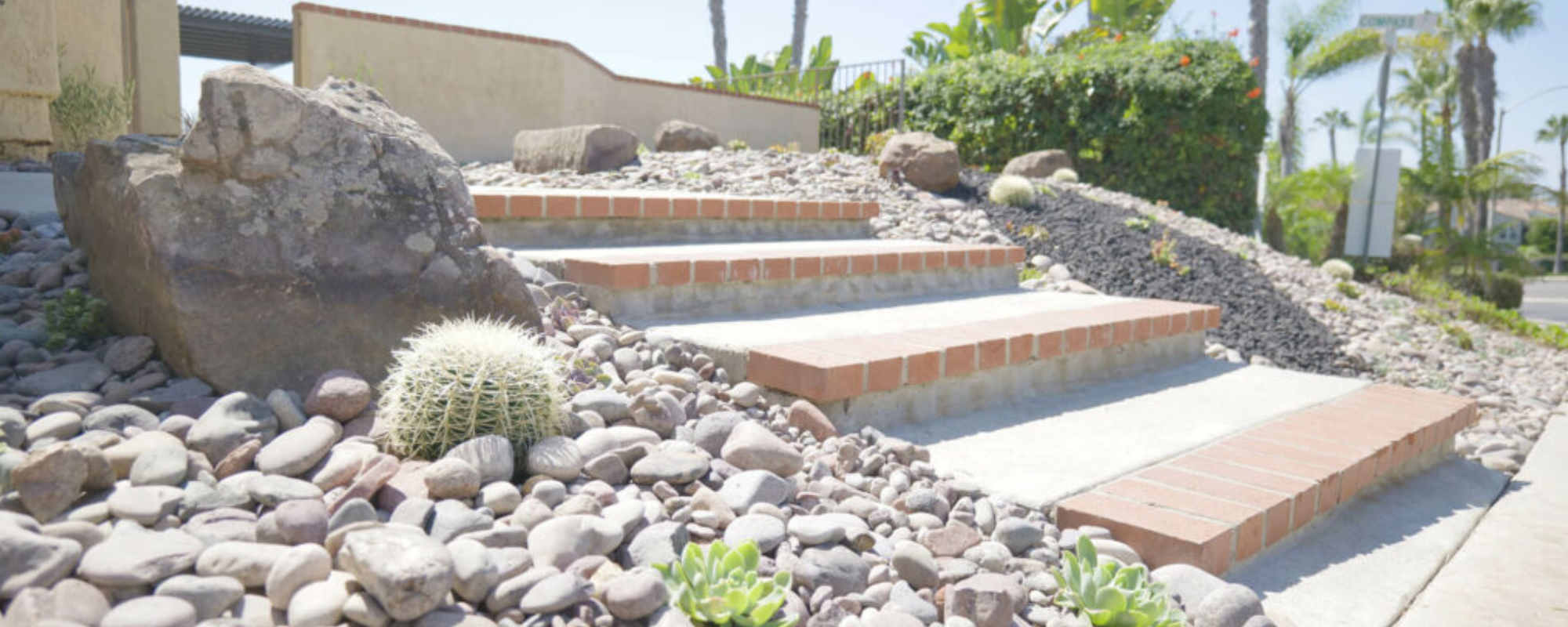
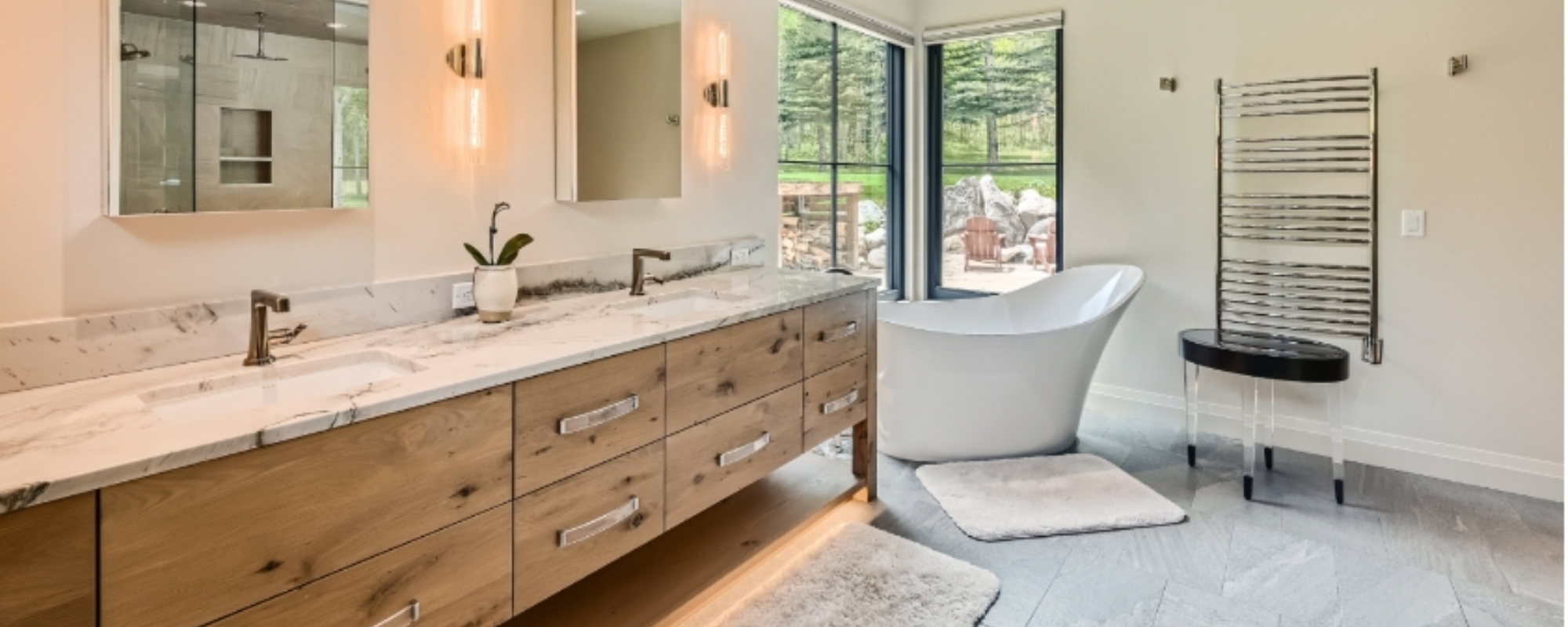
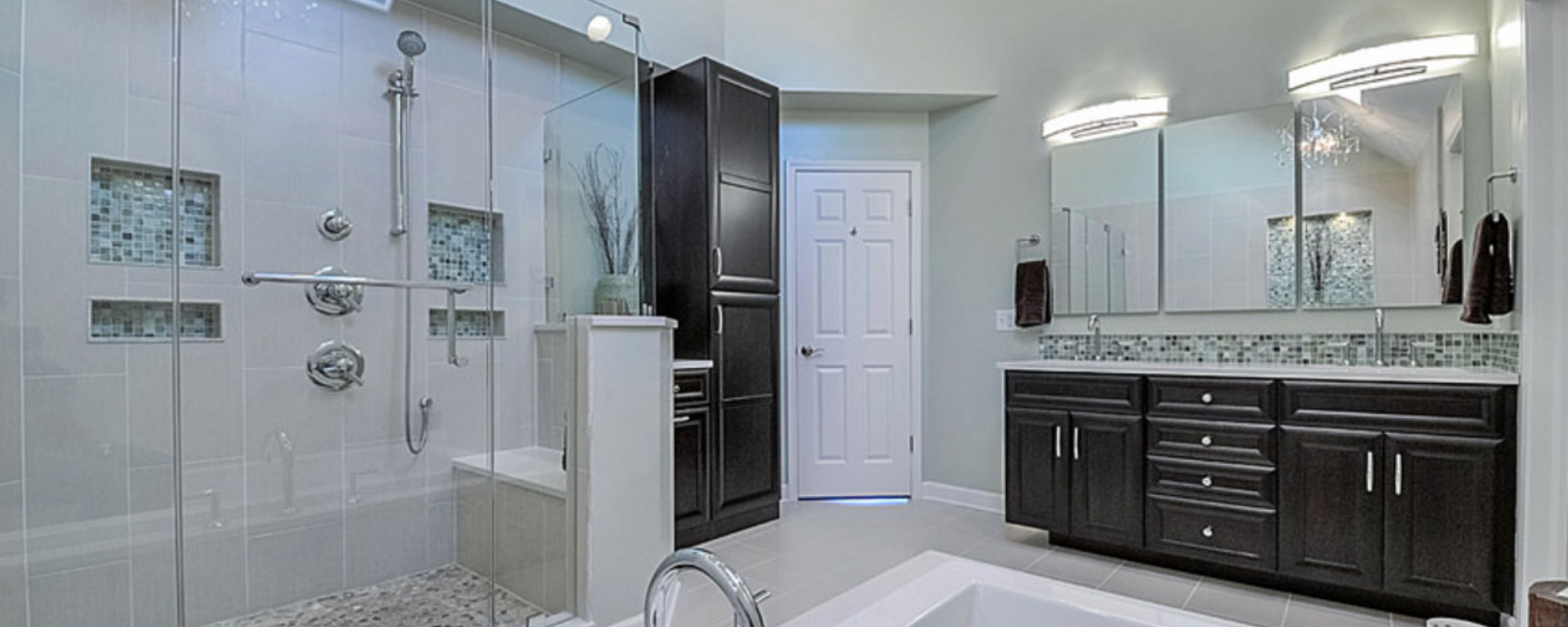
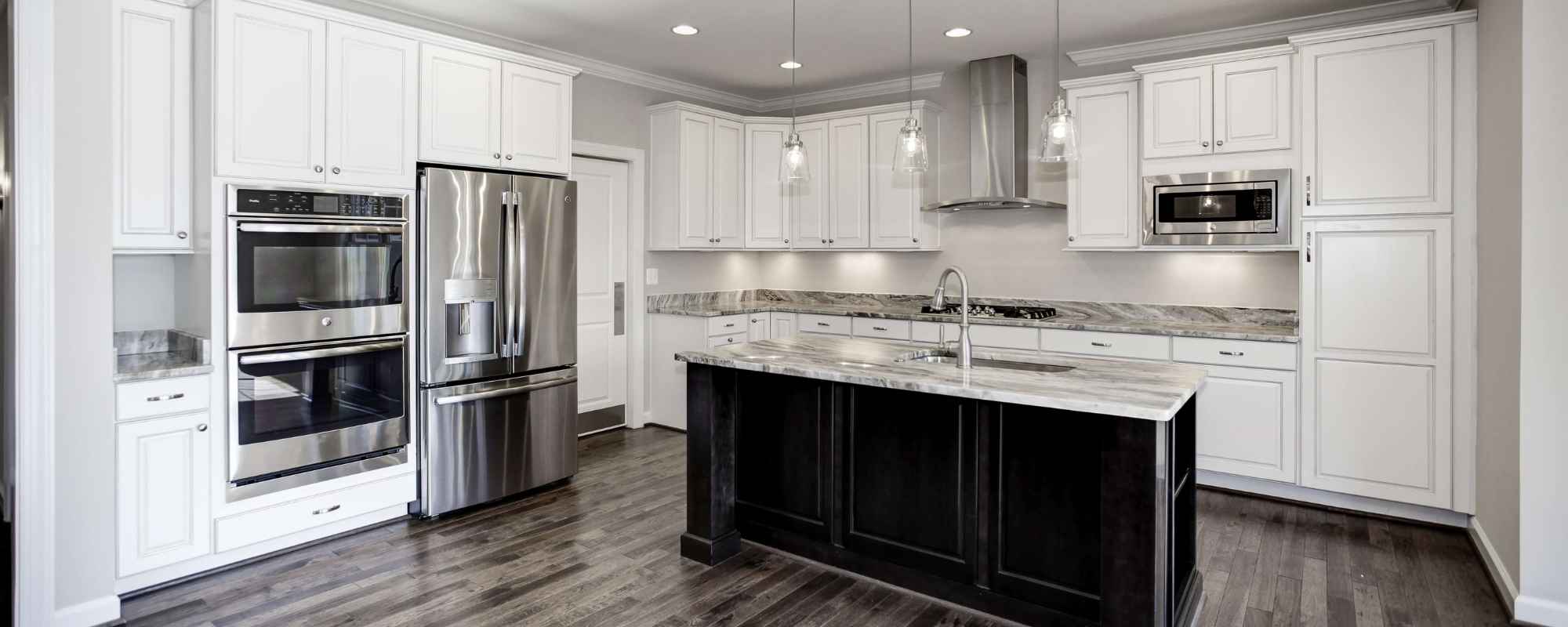
Beyond the core painting tasks, several other services can affect the total price. For exteriors, this might include minor repairs to siding, fascia, or soffits. Power washing to remove grime before painting is common. For interiors, services like wallpaper removal or the application of primer can add to the cost. If waterproofing is a concern, especially for basements or foundations, this is a separate, significant undertaking that requires specialized materials and expertise, distinct from standard painting. Similarly, projects related to concrete sealing or repairs would be additional costs. When planning a kitchen remodeling or bathroom remodeling project, painting is often a finishing touch, but the overall renovation budget is considerably larger.
Common questions
What are the main factors influencing interior and exterior paint costs?
The primary factors influencing interior and exterior paint costs include the extent of surface preparation needed, the quality and type of paint used, the overall size and complexity of the area to be painted, and the labor involved.
How does surface preparation affect the price of painting?
Extensive surface preparation, such as cleaning, patching drywall, sanding, or repairing minor damage, significantly increases the labor and material costs because it requires more time and specialized attention before the actual painting can begin.
Does the quality of paint affect the total cost?
Yes, higher-quality paints generally cost more upfront due to their superior durability, coverage, and resistance to environmental factors, but they can offer better long-term value and performance.
Are there costs beyond just the paint and labor?
Yes, additional costs can arise from services like power washing, minor repairs to existing structures, wallpaper removal, or specialized finishes. If waterproofing or concrete work is needed, these are separate services with their own associated expenses.