Skip to content
Waterproofing is a crucial aspect of construction and property maintenance, essential for protecting structures from water damage. Beyond simply preventing leaks, it plays a vital role in the longevity and integrity of buildings, whether for new additions or existing structures. Understanding what waterproofing actually involves can help homeowners and business owners make informed decisions about protecting their investments.
Key points
- Waterproofing prevents water penetration, safeguarding structures from damage.
- Key areas for waterproofing include basements, roofs, foundations, and wet interior zones.
- Various methods exist, from liquid-applied membranes to cementitious coatings.
- Professional assessment helps determine the most effective waterproofing solution for a property.
- Effective waterproofing protects against mold, mildew, and costly structural repairs.
What is Waterproofing and Why is it Important?
Waterproofing refers to any treatment or material applied to a surface to prevent water from penetrating it. This is fundamentally important for any structure, as constant exposure to moisture can lead to a cascade of problems. These can range from cosmetic issues like mold and mildew growth and peeling paint to structural compromises such as rot, corrosion of metal components, and weakening of foundations. Effective waterproofing acts as a barrier, safeguarding the building’s materials and ensuring a healthy interior environment. It is a proactive measure that prevents costly repairs down the line and preserves the value of a property. For any construction, from small additions to large-scale projects, incorporating robust waterproofing is a standard best practice.
Common Waterproofing Applications
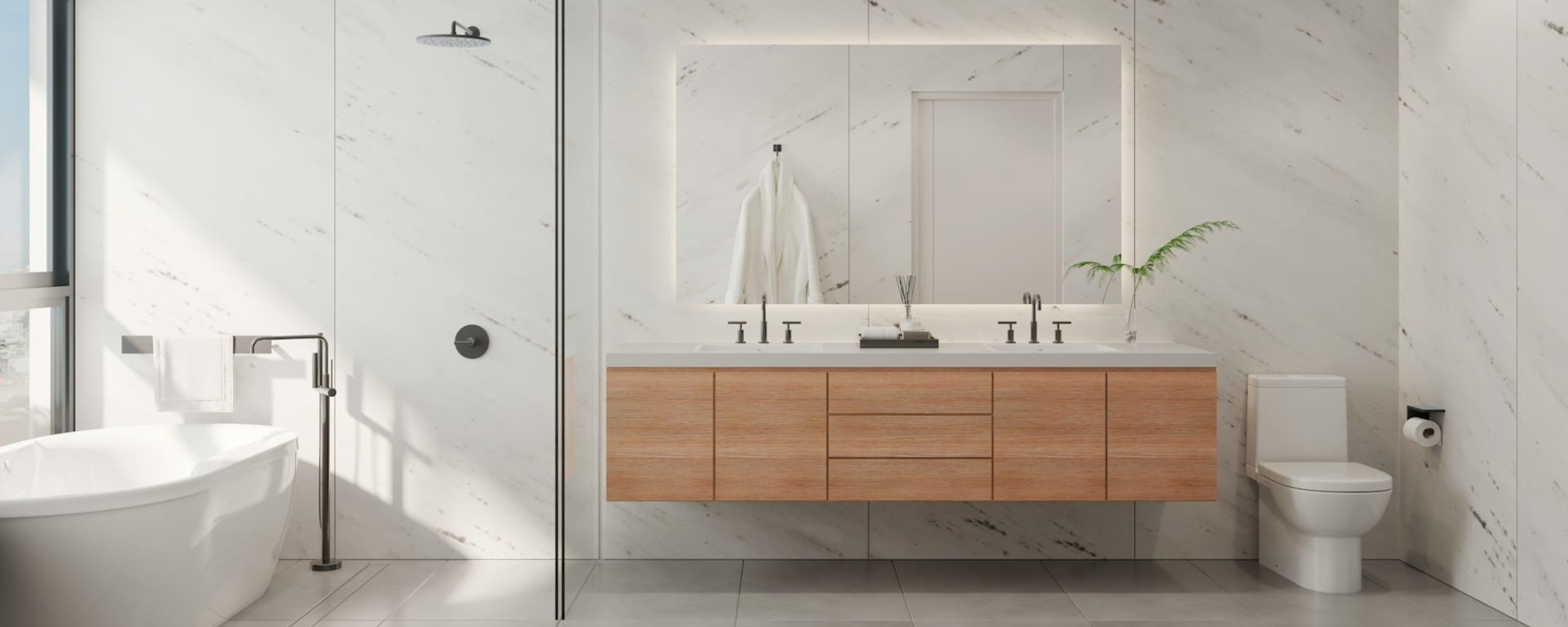
The application of waterproofing is diverse and depends heavily on the area of the property being protected. Basements and foundations are primary candidates due to their direct contact with the soil and potential for groundwater intrusion. Exterior walls, especially in areas prone to heavy rain or humidity, benefit from water-repellent coatings. Roofs, whether flat or pitched, require specialized membranes and sealants to prevent leaks, with regular maintenance being key. Balconies, decks, and patios also need waterproofing to protect the structure beneath and prevent water from seeping into lower levels. Even internal areas like bathrooms and kitchens, where water is used extensively, often require localized waterproofing in wet zones around showers, tubs, and sinks to prevent moisture damage to surrounding materials. The scope of waterproofing can extend to specific elements like retaining walls, which manage soil and water pressure.
Waterproofing Methods and Materials
A variety of methods and materials are employed in waterproofing, chosen based on the specific application, budget, and desired level of protection. Cementitious waterproofing involves applying a cement-based slurry, often mixed with polymers, which forms a rigid, waterproof layer. Liquid-applied membranes, such as polyurethane or acrylic coatings, are sprayed or rolled onto surfaces, curing to form a seamless, flexible barrier. Sheet membranes, typically made from asphalt, rubber, or plastic, are laid down and sealed at the seams, commonly used for roofs and foundations. Integral waterproofing involves adding admixtures to concrete or mortar during mixing, which makes the material itself less permeable. For exterior surfaces, specialized paints and sealants can offer a degree of water resistance, though these are often part of a broader waterproofing strategy. The selection of the right method and material is critical for long-term performance.
Choosing the Right Waterproofing Solution
Selecting the appropriate waterproofing solution requires careful consideration of several factors. The specific area to be protected, its exposure to water, and the type of construction are paramount. For instance, a basement might require a robust membrane system, while an exterior wall might benefit from a breathable, water-repellent coating. The climate of the location also plays a significant role; areas with high rainfall or freeze-thaw cycles demand more resilient solutions. Professional assessment is often the best approach. Experts can evaluate the site conditions, identify potential risks, and recommend the most effective and cost-efficient waterproofing strategy. Considering the long-term benefits, such as reduced maintenance costs and protection against structural damage, helps in justifying the initial investment in quality waterproofing.
Common questions
What is the primary goal of waterproofing?
The primary goal of waterproofing is to prevent water from penetrating a structure, thereby protecting its materials, preserving its integrity, and ensuring a healthy interior environment.
Where is waterproofing typically applied in a home?
Waterproofing is typically applied to areas prone to moisture, including basements, foundations, roofs, exterior walls, bathrooms, kitchens, balconies, and decks.
Can waterproofing prevent mold and mildew?
Yes, by preventing water intrusion, waterproofing effectively stops the conditions necessary for mold and mildew to grow, thus contributing to a healthier indoor environment.
Is waterproofing a one-time application?
While many waterproofing applications are designed for long-term durability, some may require periodic inspection and maintenance, depending on the material used and the environmental conditions.