Skip to content
Choosing a Hardscaping Contractor in Encino: A Practical Guide
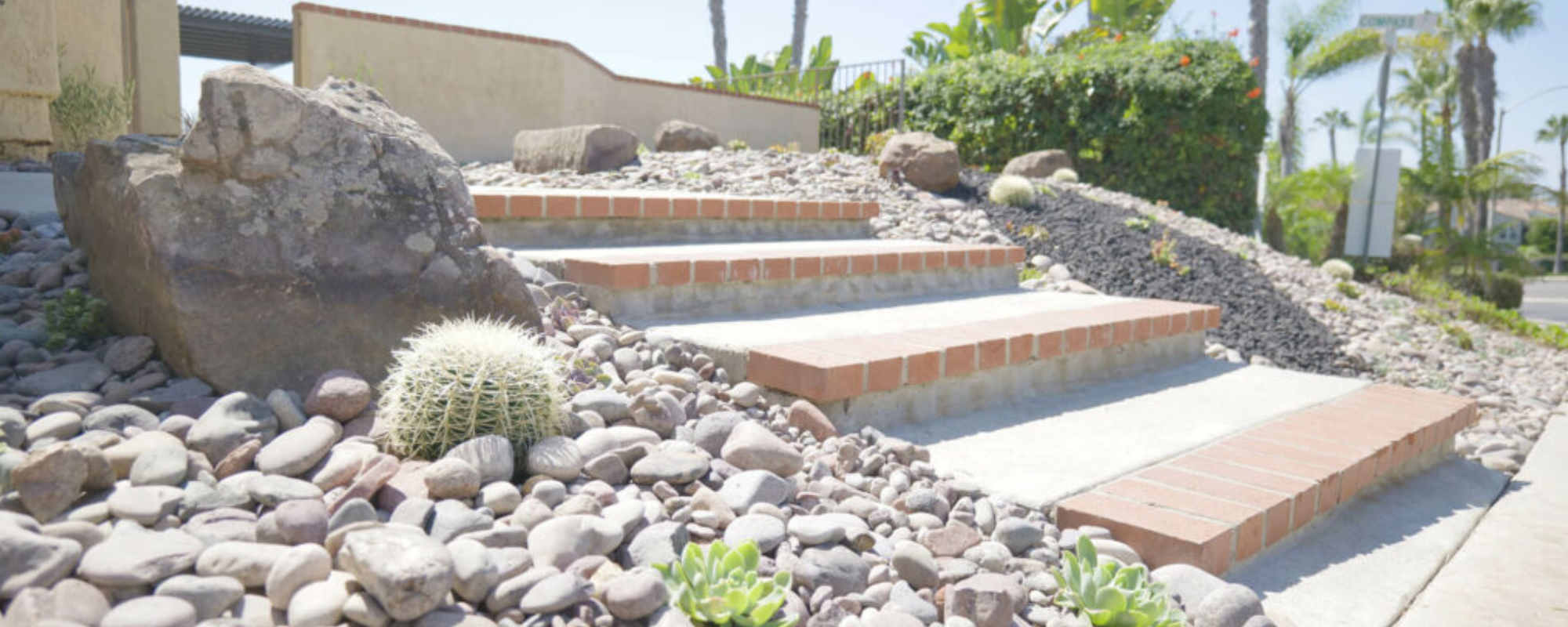
Enhancing your property’s outdoor living space involves more than just plants and lawns. Hardscaping, the addition of structural and decorative elements, transforms yards into functional and beautiful areas. For Encino homeowners considering projects like new patios, walkways, or retaining walls, selecting the right provider is as important as the design itself. This guide focuses on what to consider when choosing a contractor for your hardscaping needs.
Key points
- Clearly define your hardscaping project’s scope and desired materials before contacting providers.
- Thoroughly review a contractor’s portfolio and past project examples.
- Always verify a contractor’s license, insurance, and request client references.
- Ensure a detailed written contract is provided and understood before work begins.
- Prioritize clear and consistent communication with your chosen hardscaping provider.
Understanding Your Hardscaping Project Scope
Before you even begin searching for a contractor, it’s vital to have a clear idea of what you want to achieve. Hardscaping encompasses a wide range of projects. Are you envisioning a new paver patio for entertaining, a durable concrete driveway, or perhaps functional retaining walls to manage slopes? Consider the materials you prefer—natural stone, brick, concrete, or wood—and how they will integrate with your existing landscaping. Define the purpose of the space: is it for relaxation, dining, or practical needs like parking or drainage? A well-defined scope helps contractors understand your vision and provide accurate proposals. This clarity also aids in evaluating different providers’ expertise in specific areas, such as intricate paver installations or complex concrete work.
Evaluating Contractor Experience and Portfolio
When looking for a hardscaping provider, their past work is a strong indicator of their capabilities. Request to see a portfolio that showcases projects similar in scale and style to yours. Look for clear, high-quality images of completed work, paying attention to the craftsmanship, attention to detail, and overall aesthetic. A reputable contractor will have a diverse portfolio demonstrating their ability to handle various materials and design challenges. Inquire about their experience specifically with projects in Encino or similar Southern California environments, as local climate and soil conditions can influence construction methods. Ask how long they have been in business and if they specialize in hardscaping or offer it as part of broader remodeling services. While general remodeling firms can handle hardscaping, a specialist may bring deeper expertise.
Checking Credentials and Professionalism
Ensuring a contractor is properly licensed and insured is a non-negotiable step. Verify that they hold the necessary state and local licenses for contracting work. General liability insurance protects you from damages that may occur on your property during the project, while workers’ compensation insurance covers injuries to the crew. Ask for proof of both. Professionalism extends beyond credentials. It includes clear communication, punctuality, and a willingness to answer your questions thoroughly. A good contractor will provide a detailed written estimate that outlines the scope of work, materials, timeline, and payment schedule. They should also be transparent about any potential challenges or changes that might arise during the project.
The Importance of References and Communication
Speaking with previous clients is an invaluable way to gauge a contractor’s reliability and customer satisfaction. Ask for a list of references from recent hardscaping projects. Contact these references and ask about their experience, from the initial consultation through project completion. Key questions include: Was the contractor professional and communicative? Was the project completed on time and within budget? Were there any unexpected issues, and how were they resolved? Good communication is paramount throughout the entire process. Your chosen provider should be accessible, responsive to your calls or emails, and keep you informed about the project’s progress. This open dialogue helps prevent misunderstandings and ensures you are comfortable with the direction of the work.
Understanding Contracts and Project Management
A comprehensive contract serves as a blueprint for the project and a protection for both you and the contractor. It should clearly detail all aspects of the agreement, including the exact scope of work, specified materials, project start and completion dates, payment terms, warranty information, and procedures for handling changes or disputes. Review the contract carefully before signing. Understand the payment schedule – typically, deposits are reasonable, with subsequent payments tied to project milestones. Poor contract management can lead to costly disputes and delays. A reliable contractor will present a clear, detailed contract and be willing to discuss any clauses you are unsure about. Effective project management ensures that the work proceeds smoothly and efficiently, minimizing disruption to your daily life.
Common questions
What is hardscaping?
Hardscaping refers to the non-living elements of a landscape, such as patios, walkways, driveways, retaining walls, decks, and outdoor kitchens, which add structure and function to outdoor spaces.
What types of materials are commonly used in hardscaping?
Common materials include concrete, pavers (such as brick or concrete pavers), natural stone (like flagstone or granite), gravel, wood, and metal.
How do I choose between concrete and pavers for a driveway?
Concrete is often more cost-effective upfront and offers a seamless look, but it can crack over time and is difficult to repair aesthetically. Pavers provide a more decorative finish, are easier to repair by replacing individual units, and can allow for better drainage, but they typically have a higher initial cost and require more maintenance to prevent weed growth between joints.
Should I consider waterproofing for my hardscaping project?
Waterproofing is generally more critical for structures like foundations, basements, or certain decks. For typical hardscaping elements like patios or driveways, proper grading and drainage are more important to prevent water damage and frost heave, though specific applications might benefit from sealants.
What is the difference between landscaping and hardscaping?
Landscaping involves the living elements of an outdoor space, such as plants, trees, and lawns. Hardscaping refers to the non-living, structural elements that complement the landscape.