Skip to content

Bathroom Remodeling: What the Process Involves for Your Home
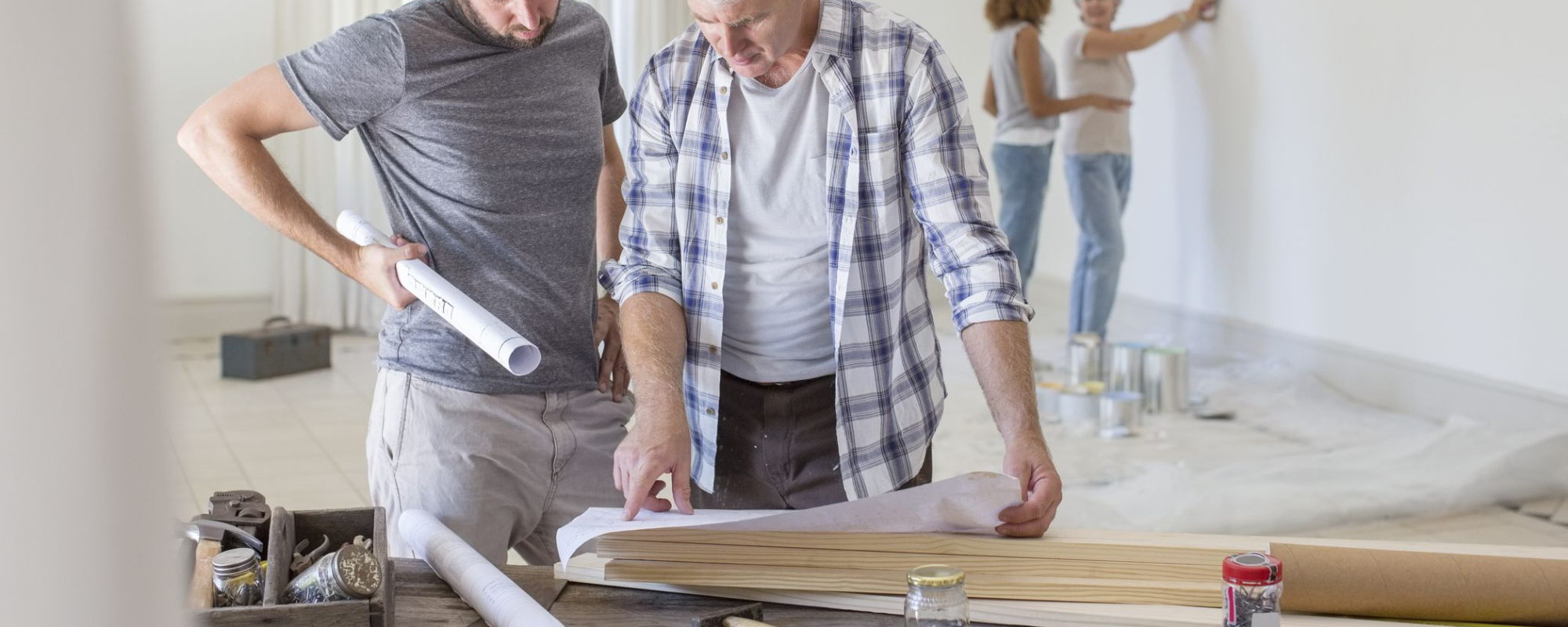
Updating your bathroom can significantly enhance your home’s comfort and value. A bathroom remodeling project involves much more than just new tiles and fixtures. It’s a multi-stage process requiring careful planning, skilled execution, and attention to detail to achieve a functional and aesthetically pleasing result. Whether you’re looking for a modern update or a complete overhaul, understanding the scope of work is crucial.
Key points
- Bathroom remodeling requires detailed planning and design before any work begins.
- Demolition and preparation are essential steps to clear the space and inspect the structure.
- Skilled plumbing and electrical work form the hidden infrastructure of a functional bathroom.
- Proper installation of key components like tubs, showers, and vanities is vital.
- Finishing touches, including fixtures, paint, and accessories, complete the remodeled space.
- Waterproofing is a critical aspect of bathroom remodeling to prevent future damage.
Planning and Design: The Foundation of Your Remodel
The first step in any bathroom remodeling project is thorough planning and design. This phase involves assessing your current bathroom, defining your needs and desires, and establishing a clear vision for the finished space. Consider the layout, the types of fixtures you want, storage solutions, and the overall style. Detailed plans and possibly 3D renderings help visualize the end result and prevent costly changes later. This stage also includes selecting materials, from flooring and wall treatments to cabinetry and countertops, ensuring they suit both the aesthetic and practical demands of a bathroom environment. Proper planning ensures that all elements, including plumbing and electrical considerations, are accounted for from the outset.
Demolition and Preparation: Clearing the Way
Once the design is finalized and materials are sourced, the demolition phase begins. This involves carefully removing existing fixtures, old tiles, flooring, and potentially even walls, depending on the extent of the renovation. Safety is paramount during demolition, with measures taken to protect the rest of your home from dust and debris. After removal, the underlying structure is inspected for any damage or necessary repairs, such as issues with subflooring or framing. This is also the time when essential preparation for new installations occurs, including roughing in new plumbing lines or electrical wiring according to the finalized design.
Plumbing and Electrical Work: The Hidden Infrastructure
With the space prepped, skilled tradespeople begin the critical work on plumbing and electrical systems. This involves installing new pipes for sinks, toilets, and showers, ensuring proper water pressure and drainage. For electrical work, electricians will install new wiring for lighting, ventilation fans, and any outlets or powered fixtures. This phase is foundational; mistakes here can lead to significant problems down the line, including leaks, electrical shorts, or inefficient systems. Ensuring compliance with local building codes is essential during this stage.
Installation of Key Components
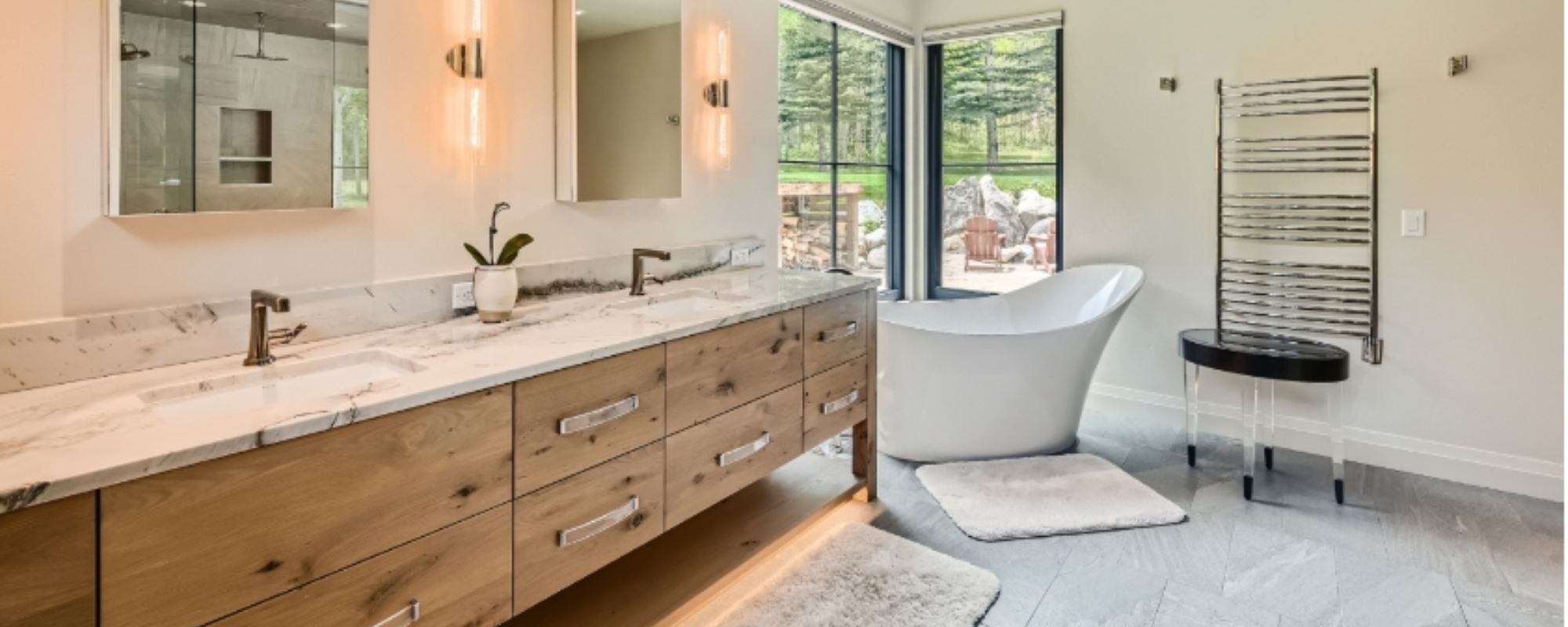
Following the rough-in of plumbing and electrical, the installation of major bathroom components takes place. This includes putting in the bathtub or shower base, followed by tiling for shower surrounds and walls. Next, the vanity, countertops, and sink are installed, along with the toilet. Flooring is typically laid down around this time, especially if using materials like tile or vinyl. Each installation requires precision to ensure functionality, durability, and a seamless appearance. Proper waterproofing is a critical consideration during the installation of shower areas and around bathtubs to prevent moisture damage.
Finishing Touches: Bringing the Vision to Life
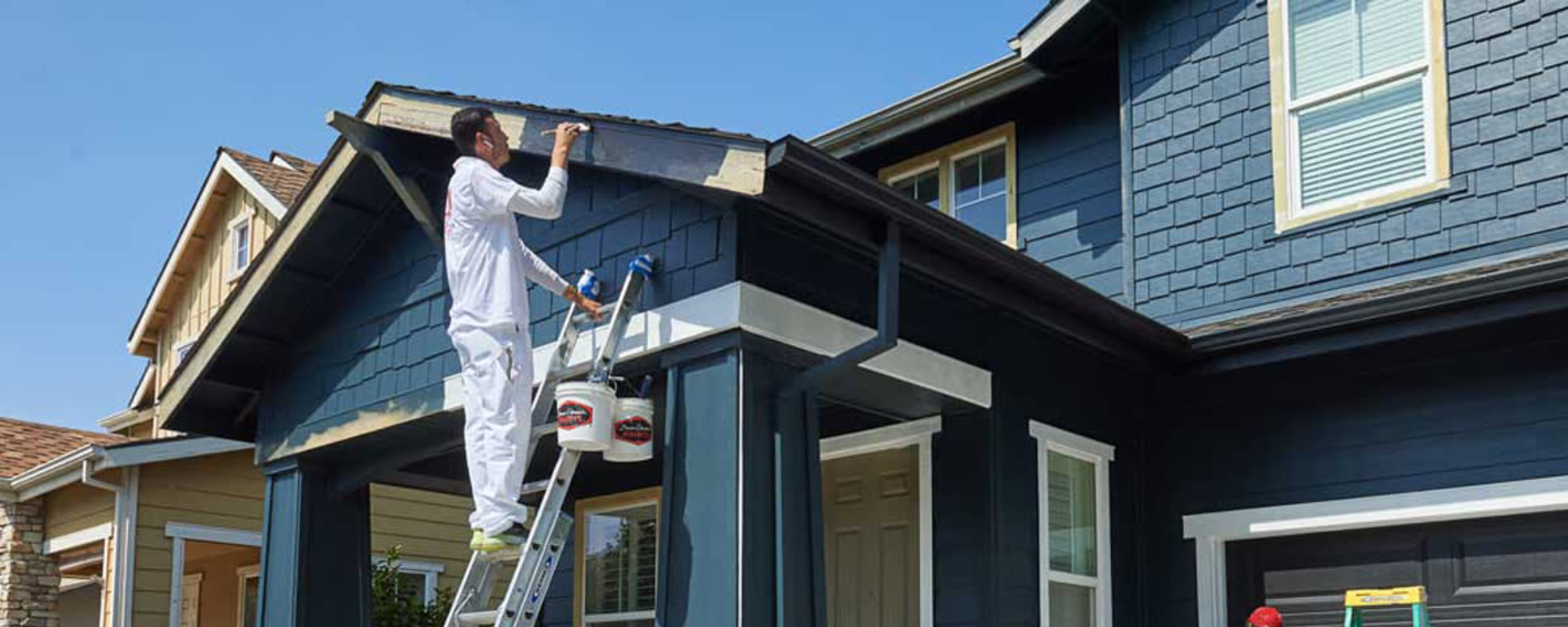
The final stage of bathroom remodeling involves all the finishing touches that complete the space. This includes installing fixtures like faucets, showerheads, and lighting. Interior & exterior paint is applied to walls and trim, adding color and protection. Accessories such as mirrors, towel bars, and shelving are mounted. Finally, any necessary touch-ups are made, and the space is thoroughly cleaned. This phase transforms the functional structure into a comfortable, stylish, and inviting bathroom, ready for use.
See our Bathroom Remodeling page for how Mvp Remodeling can help.
Common questions
What is the first step in bathroom remodeling?
The first step in bathroom remodeling is thorough planning and design, which involves assessing needs, defining a vision, and creating detailed plans for the renovation.
Why is waterproofing important in a bathroom remodel?
Waterproofing is crucial in bathroom remodeling to prevent water damage to the structure, which can lead to mold growth, rot, and costly repairs, especially in shower and tub areas.
What trades are typically involved in bathroom remodeling?
Bathroom remodeling typically involves general contractors, plumbers, electricians, tilers, painters, and potentially carpenters and drywall specialists.
How long does a bathroom remodel usually take?
The duration of a bathroom remodel can vary significantly depending on the project’s scope, complexity, and the availability of materials and labor, but typically ranges from a few weeks to a couple of months.