Skip to content

Bathroom Remodeling Costs: Factors That Shape Your Project Investment

Embarking on a bathroom remodel can significantly enhance your home’s comfort and value. However, the final cost can vary widely. Understanding the key factors that influence pricing is crucial for budgeting and making informed decisions about your project. This guide breaks down the elements that contribute to the overall investment in your bathroom renovation.
Key points
- Project scope and existing conditions are primary cost drivers.
- Material choices for fixtures, tiles, and countertops significantly impact the budget.
- Labor costs depend on trade complexity, regional rates, and contractor expertise.
- Customization and design choices add to the overall expense.
- Budget for permits and a contingency fund for unforeseen issues.
The Foundation: Scope of Work and Existing Conditions
The most significant driver of bathroom remodeling costs is the extent of the project. A simple refresh involving new fixtures and paint will naturally cost less than a gut renovation that reconfigures the layout, moves plumbing, or addresses structural issues. The existing condition of your bathroom also plays a critical role. Problems like water damage, outdated or non-compliant plumbing, or electrical system upgrades can add unexpected expenses. Identifying these issues early during the planning phase is vital. For example, if the subfloor is compromised due to persistent leaks, it will need to be replaced before new flooring can be installed, increasing both material and labor costs. Similarly, updating old pipes or wiring to meet current building codes is a necessary expense that contributes to the total investment.
Material Selections: From Fixtures to Finishes
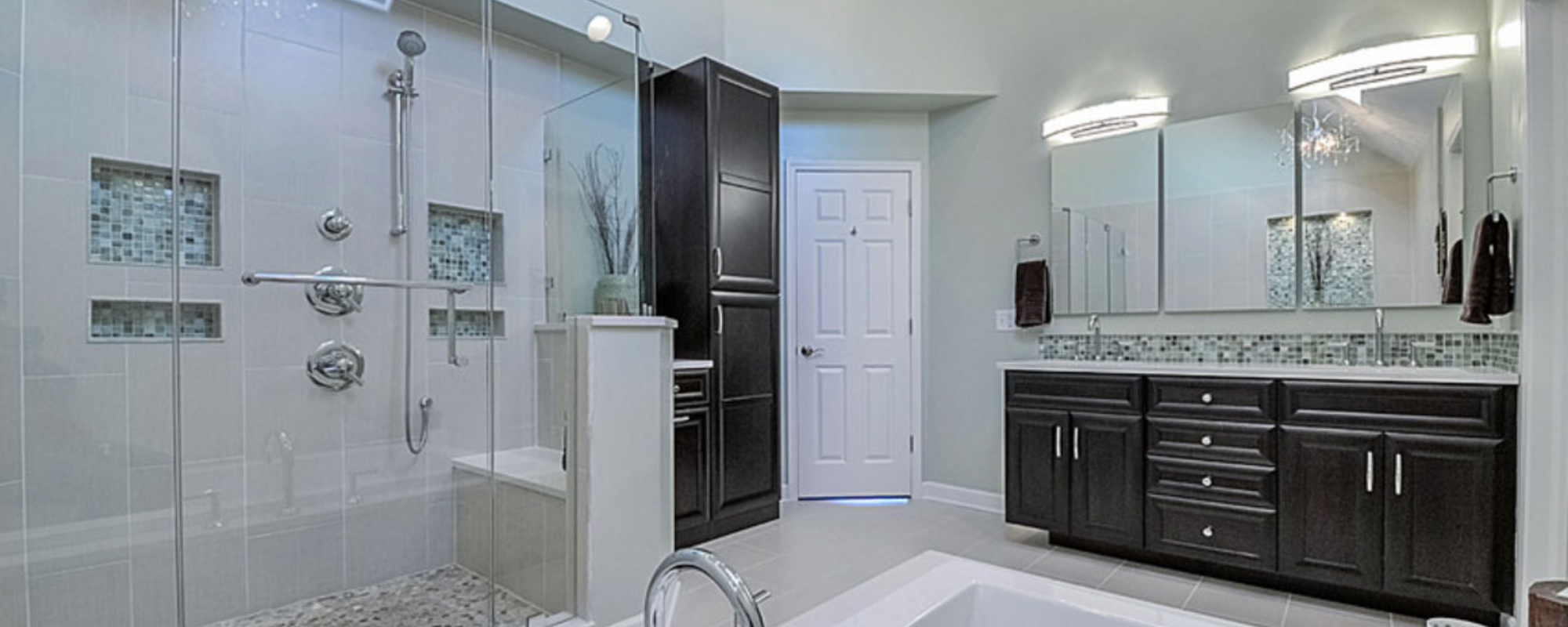
The choices you make for materials have a direct impact on your budget. High-end, designer fixtures like freestanding tubs, custom shower systems, or smart toilets will command a higher price than standard, builder-grade options. The same applies to tile. Elaborate mosaic tiles or natural stone slabs for floors and walls are more expensive than ceramic or porcelain alternatives. Even smaller details, such as cabinetry, countertops, lighting, and hardware, can add up. Opting for custom cabinetry over stock or semi-custom units will increase costs. The type of countertop material—quartz, granite, marble, or laminate—also presents a wide range of price points. Consider the durability and aesthetic you desire for each element, as these decisions will significantly shape the final cost. Proper waterproofing in shower areas, often involving specialized membranes and sealants, is another material cost to factor in, ensuring long-term protection against moisture damage.
Labor Costs: Skilled Trades and Project Management
The cost of labor is a substantial component of any bathroom remodeling project. This includes the wages for skilled tradespeople such as plumbers, electricians, tilers, carpenters, and painters. The complexity of the work, the hourly rates in your region, and the duration of the project all influence labor expenses. A project requiring extensive plumbing modifications or intricate tile work will naturally demand more labor hours. The experience and reputation of your chosen contractor also play a role; highly sought-after professionals may charge more due to their expertise and proven track record. Efficient project management, which ensures timely completion and coordination between different trades, can help control labor costs by minimizing downtime and preventing errors. While it might seem like a way to save, attempting too much DIY work without the necessary skills can lead to costly mistakes that require professional correction later.
Design and Customization: Tailoring Your Space
The level of customization desired for your bathroom will influence the overall cost. A standard remodel using readily available materials and layouts is generally more budget-friendly. However, if you envision a unique design, custom-built vanities, a specially designed shower enclosure, or intricate tile patterns, these specialized elements will add to the expense. Customization often requires more design time, specialized fabrication, and more intricate installation processes, all of which translate into higher costs. This can extend beyond the bathroom itself; for instance, if the remodel requires modifications to adjacent areas for layout changes, this work, along with potential interior & exterior paint touch-ups, needs to be accounted for. The goal is to balance your desire for a unique space with your budget realities.
Permits and Unexpected Issues
Depending on the scope of your renovation and local regulations, you may need to obtain building permits. The cost of these permits varies by municipality but is a necessary part of the process for significant structural, electrical, or plumbing work. Failing to obtain required permits can lead to fines and delays. Furthermore, unexpected issues can arise during any renovation. Hidden problems like mold, asbestos, outdated electrical wiring, or plumbing leaks discovered behind walls can significantly increase the project’s cost. It is prudent to set aside a contingency fund—typically 10-20% of the estimated project cost—to cover these unforeseen circumstances, ensuring you can address them without derailing the entire renovation.
See our Bathroom Remodeling page for how Mvp Remodeling can help.
Common questions
What is the biggest factor influencing bathroom remodeling costs?
The scope of work and the existing condition of your bathroom are typically the biggest factors influencing remodeling costs. A major renovation involving layout changes and plumbing relocation will be significantly more expensive than a cosmetic update.
How much do materials typically add to a bathroom remodel cost?
Material selections can greatly influence costs, with prices varying widely for fixtures, tiles, countertops, and cabinetry. High-end, custom, or natural stone materials will naturally cost more than standard or budget-friendly options.
Does labor cost vary significantly for bathroom renovations?
Yes, labor costs vary based on the complexity of the job, the number of skilled trades required, regional labor rates, and the contractor’s experience. Projects requiring extensive plumbing or intricate tiling will demand more labor hours.
Should I budget for permits in my bathroom remodel?
You should budget for permits if your project involves structural, electrical, or plumbing work that requires local approval. Permit costs depend on your municipality and the scope of the renovation.
What is a reasonable contingency for unexpected bathroom remodel expenses?
A contingency fund of 10-20% of the estimated project cost is generally recommended to cover unexpected issues that may arise during the renovation, such as hidden water damage or outdated systems.