Skip to content
Interior & Exterior Painting: A Comprehensive Guide for Property Owners

Painting is one of the most transformative services for any property. Whether you are looking to refresh a single room or give your entire building a new look, understanding the process of interior and exterior paint application is crucial. This guide delves into what the service truly involves, beyond just applying color.
Key points
- Proper surface preparation is critical for a durable and attractive paint finish.
- Selecting the correct paint type and sheen is essential for performance and aesthetics.
- Application techniques significantly impact the quality and longevity of the paint job.
- Painting offers both aesthetic enhancement and vital protection for interior and exterior surfaces.
- Paint serves as a protective layer, much like waterproofing, guarding against environmental factors.
Surface Preparation: The Foundation of a Lasting Finish
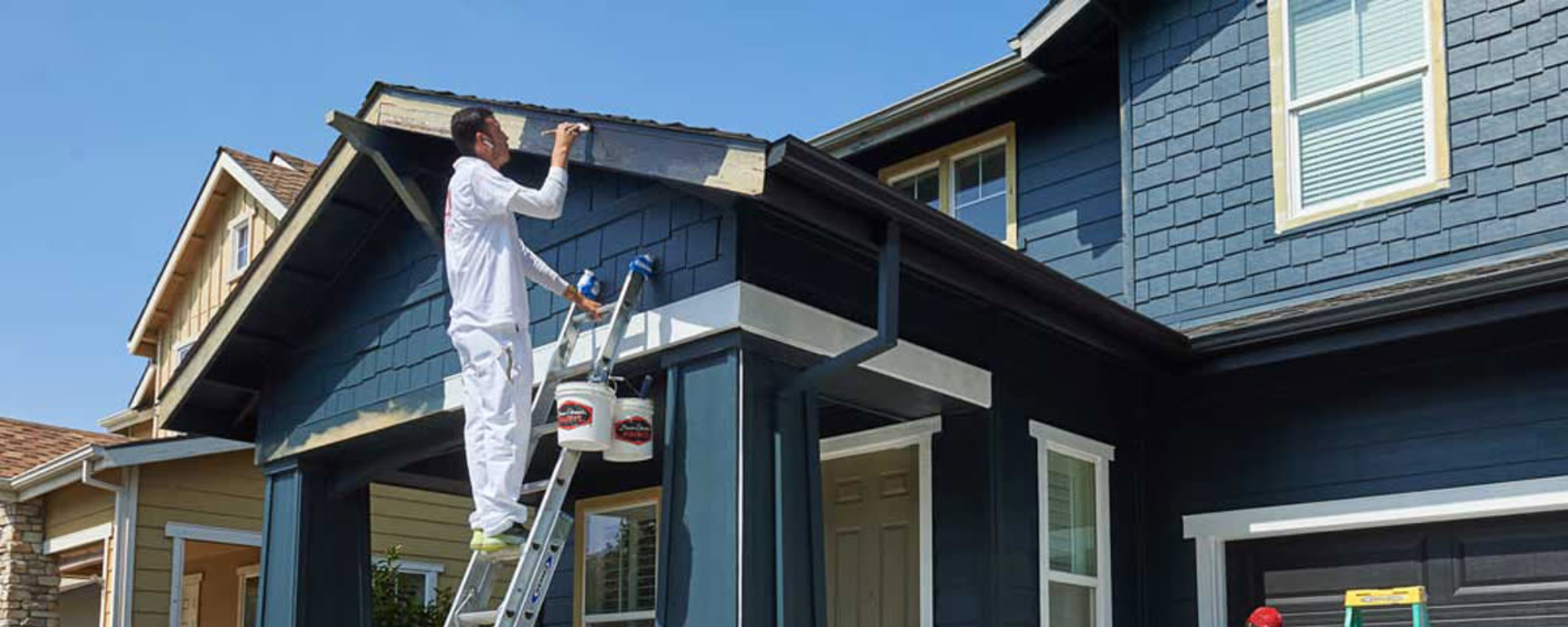
Before any paint touches a surface, meticulous preparation is key. For interiors, this means cleaning walls to remove dust, grease, and grime. Any imperfections, such as cracks, holes, or peeling paint, must be repaired. This might involve patching drywall, sanding rough areas, or scraping loose material. Priming is often a necessary step to ensure even color absorption and better adhesion, especially over repairs or drastic color changes. Exterior preparation is even more extensive. Surfaces must be cleaned, often with power washers, to remove dirt, mildew, and chalking. Loose paint must be scraped, and any damaged wood or stucco needs repair. For surfaces like concrete or brick, specialized cleaners or etching solutions might be used. Proper preparation ensures the paint job not only looks good but also lasts longer, protecting the underlying structure.
Choosing the Right Materials
The selection of paints and coatings is critical for both aesthetics and performance. For interiors, the choice often comes down to sheen: flat, eggshell, satin, semi-gloss, and gloss. Each offers different levels of durability and washability, making them suitable for various rooms. For example, high-traffic areas like hallways or kitchens might benefit from a satin or semi-gloss finish, while bedrooms might suit an eggshell. Exterior paints must withstand harsh weather conditions. They need to be resistant to UV rays, moisture, and temperature fluctuations. Different materials, like wood, vinyl, stucco, or brick, require specific types of paint formulated for optimal adhesion and protection. Consideration is also given to primers and sealants that enhance durability and provide a barrier against the elements. This is where understanding the property’s existing materials and local climate is vital.
Application Techniques and Considerations
Applying interior and exterior paint involves more than just brushing or rolling. Professionals use various techniques to achieve a uniform and professional finish. This includes proper cutting-in around trim and edges, maintaining a wet edge to avoid lap marks, and applying multiple thin coats rather than one thick one. For exteriors, sprayers are often used for efficiency and a smooth finish, requiring careful masking of windows, doors, and landscaping to prevent overspray. The application of primers and multiple coats of topcoat is standard practice for both interior and exterior projects. Attention to detail is paramount, especially in areas prone to moisture, such as bathrooms or exterior walls near landscaping. Understanding how paint behaves under different conditions, like temperature and humidity, influences the application process to ensure optimal results. This level of expertise ensures the paint serves not only a decorative purpose but also a protective one, much like specialized waterproofing or concrete treatments.
Beyond Color: Protection and Enhancement
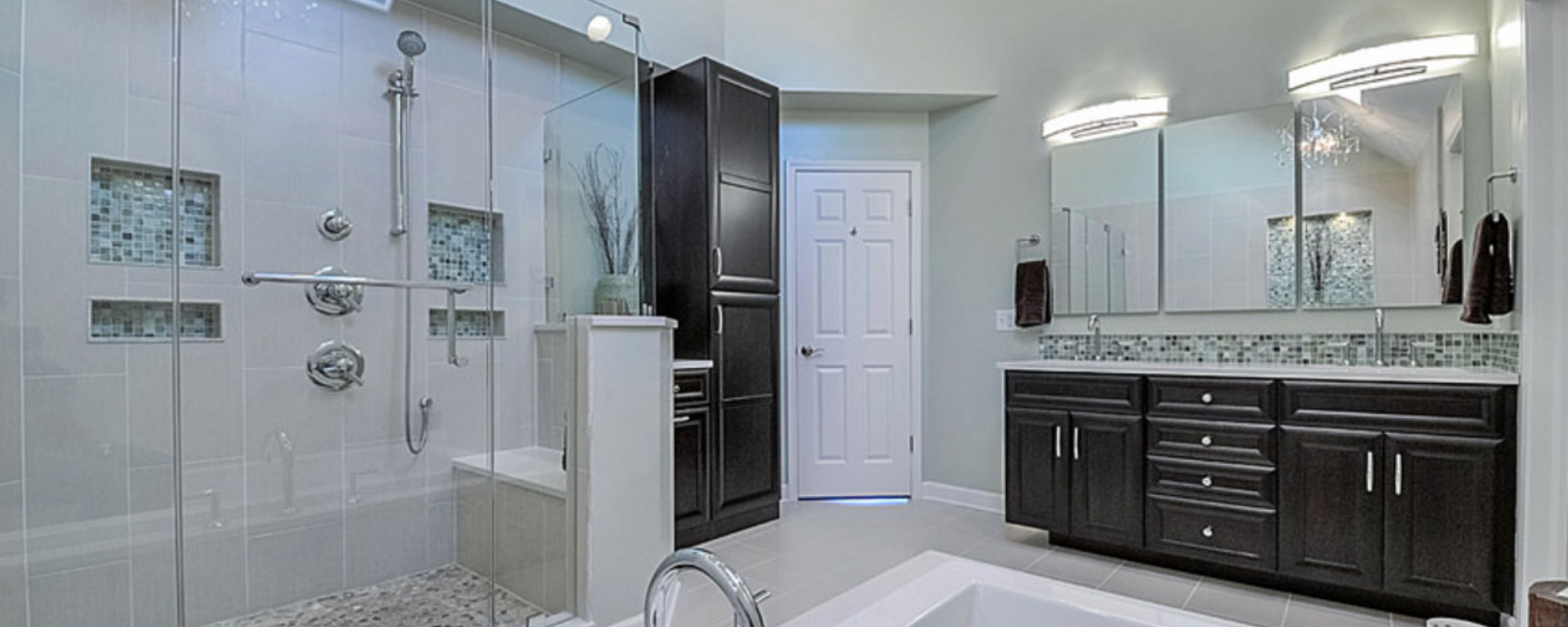
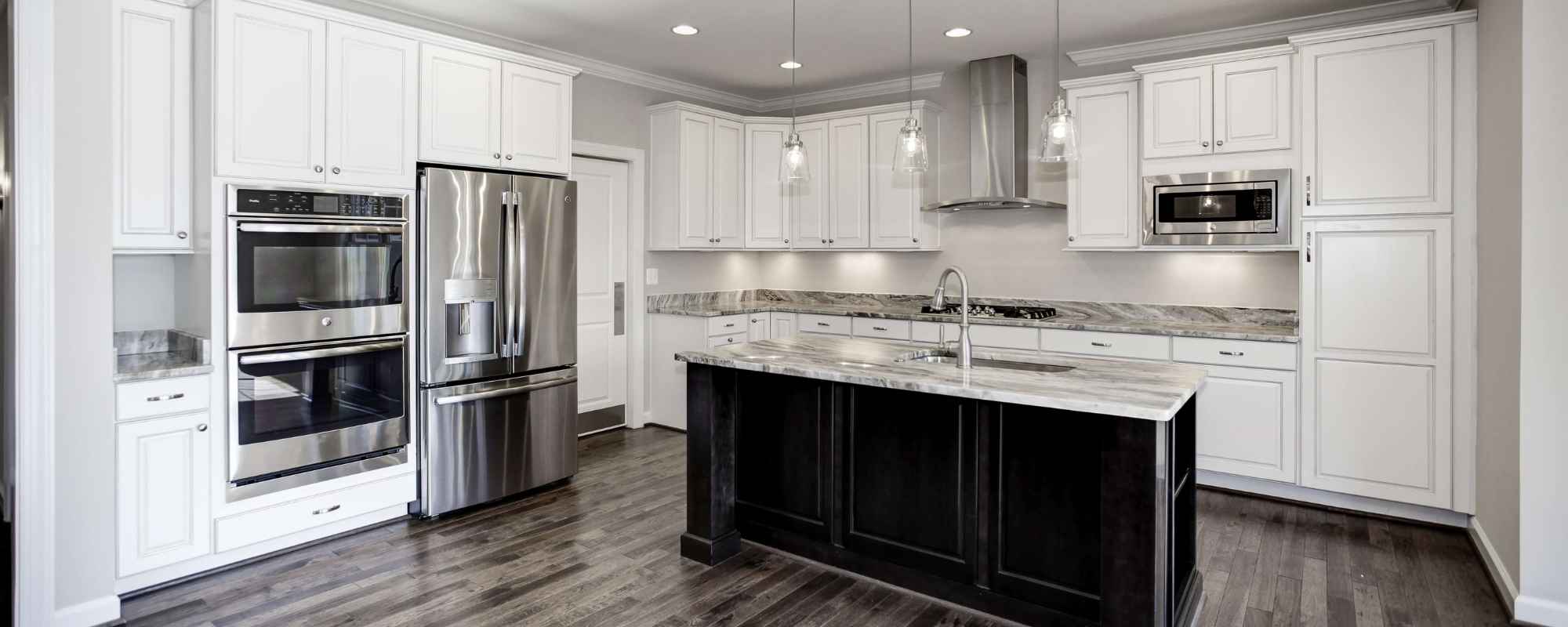
Painting is not just about changing the visual appeal of a property; it’s a crucial part of its maintenance. For exteriors, a quality paint job acts as a protective barrier against moisture, UV radiation, and environmental pollutants, preventing rot, corrosion, and degradation of building materials. This protective function is akin to the role of waterproofing, safeguarding the structure from water damage. Similarly, interior paint can help protect walls from stains and wear, and some formulations offer enhanced durability or even mildew resistance for areas like bathrooms and kitchens, areas often considered in kitchen remodeling or bathroom remodeling projects. The right paint can also improve light reflection indoors, making spaces feel larger and more inviting. When considering projects like landscaping or concrete work, painting the surrounding structures can tie the entire aesthetic together.
Common questions
What is involved in preparing a surface for painting?
Surface preparation involves cleaning, repairing imperfections like cracks or holes, sanding rough areas, and applying primers or sealants to ensure proper paint adhesion and a smooth finish.
How do I choose the right paint sheen?
Paint sheen depends on the room and desired durability; flat finishes are best for low-traffic areas, while glossier finishes offer more durability and washability for kitchens, bathrooms, or high-traffic zones.
What makes exterior paint different from interior paint?
Exterior paint is formulated to withstand harsh weather, UV rays, and moisture, offering greater durability and protection against the elements compared to interior paints.
Can painting help protect my home?
Yes, exterior paint provides a crucial protective barrier against moisture and environmental damage, similar to waterproofing, while interior paint can protect walls from stains and wear.